Cloud Foundations for Engineers
The old joke says the cloud is just someone else's computer. It is right - and once you take that literally, everything about cloud engineering starts to make sense.
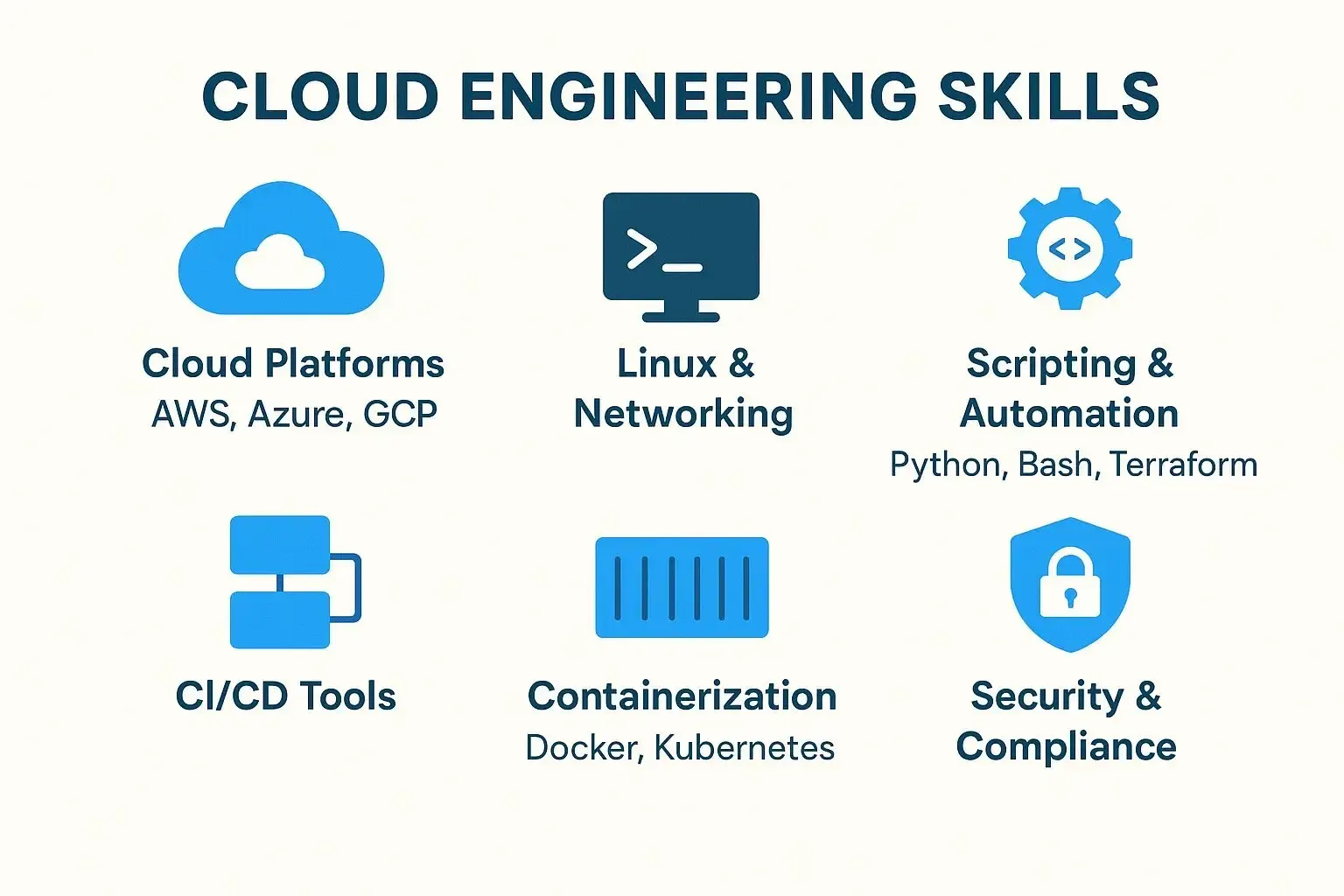
TL;DR
"The cloud is just someone else's computer" is not a put-down; it is the most useful mental model for a new cloud engineer. Your workload runs on real machines in real buildings that fail, cost money and live in regions, and renting them buys scale, managed services and speed.
On this page
There is a sticker, a T-shirt, and a thousand conference jokes built on one line: “There is no cloud, it is just someone else’s computer.” People usually say it to deflate the marketing balloon, to remind everyone that behind the soft white icon is a very physical building full of humming machines.
But here is the thing. The joke is not a takedown. It is the single most useful mental model a new cloud engineer can have. If you take it completely literally, the fog clears and the whole discipline becomes obvious.
Start with the literal truth
Your application is running on a real computer. It sits in a real building, in a real city, drawing real power, cooled by real air conditioning, connected to the world by real fiber. You are renting a slice of it. That is the cloud.
Once that is concrete in your head, the strange vocabulary stops being strange.
Why are there “regions” and “availability zones”? Because the computers are in different cities, in different buildings, and a flood or a power cut in one building should not take down the other. Spreading your app across two zones is not a checkbox; it is the difference between one building and two.
Why does the same service cost different amounts in different regions? Because real estate, electricity, and labor cost different amounts in different countries. You are paying for a physical thing in a physical place.
Why does “latency” matter? Because the computer is somewhere, and your users are somewhere else, and light is fast but not infinite. Put the computer near the people.
None of this is abstract once you remember it is someone else’s computer.
The part the joke leaves out
The joke is right about the hardware. Where it undersells the cloud is in everything wrapped around that hardware. You are not just renting a computer. You are renting a computer that someone else racks, powers, cools, patches at the hardware level, replaces when it dies, and connects to a global network you could never afford to build.
That is the real trade. You give up ownership and physical control. In return you get three things that are genuinely hard to get any other way:
- Elasticity. Need a hundred computers for an hour and then zero? That is a request, not a purchase order. The machines were always there; you just borrow more of them.
- Self-service. No ticket, no waiting on a procurement team. You ask, and seconds later it exists.
- Metered billing. You pay for what you use, by the second or the gigabyte, instead of buying capacity you hope to grow into.
These are exactly the qualities the official definition of cloud computing names. The standards body NIST listed them years ago: on-demand self-service, broad network access, resource pooling, rapid elasticity, and measured service. Strip away the brand names and that is what you are buying. Someone else’s computer, plus the operational machinery that makes a fleet of them feel like a utility.
Why “someone else’s” is the point, not the catch
People say “someone else’s computer” as if the “someone else” is the weakness. Flip it around. The “someone else” is the whole value proposition.
You do not want to own the building. Owning the building means owning the generator, the spare parts, the night shift, the security guards, and the depreciation schedule. The cloud provider does all of that, spreads the cost across millions of customers, and rents you the result by the hour. The fact that it is someone else’s computer is precisely why you get to focus on your software instead of your air conditioning.
But the model also tells you where your job begins. Because it is someone else’s computer, they are responsible for the computer. You are responsible for what you put on it. This is the shared responsibility model, and it is the source of most cloud security incidents. The provider will keep the building from burning down. The provider will not stop you from leaving a storage bucket open to the world or pasting an access key into public code. The lock on the front door is theirs. The decision to leave it open is yours.
How to use the model day to day
When you hit something confusing in a cloud console, run it through the literal translation:
- “Where is this thing actually running, and who can reach it physically and over the network?”
- “If this single building failed, what happens to my app?”
- “It is someone else’s computer, so what part of securing it is still mine?”
- “I am paying by the hour for a real machine, so is this thing actually doing work right now, or just costing money while idle?”
That last question alone will save you more money than any pricing dashboard. The meter runs whether or not anyone is using the resource, because the computer is on whether or not you need it. Turn off what you are not using.
The honest summary
The cloud is not magic, and the joke is not cynicism. The cloud really is someone else’s computer - a great many of them, in buildings around the world, wrapped in the operational discipline to make them feel like tap water. Take that literally and you will reason about regions, latency, resilience, security, and cost correctly, on instinct, before you ever memorize a service name.
That is the gift hidden inside the punchline. The simplest description of the cloud is also the most accurate one, and it happens to be the best map you will ever get for finding your way around it.
Key takeaways 5
- The cloud really is someone else's computer, in a real building.
- Real hardware fails, so design for failure across zones and regions.
- Location matters: latency, data residency and region-level outages.
- Renting buys elasticity, managed services and speed.
- You still own your architecture, data, security and costs.
Watch & learn
Frequently asked questions
Is the cloud really just someone else's computer?
Yes. Cloud services run on physical servers in data centers owned by providers. The difference is the automation, scale and managed services they offer on top.
What are cloud regions and availability zones?
A region is a geographic area with several data centers. Availability zones are separate data centers within a region, with independent power and networking, used to build resilient systems.
What does the shared responsibility model mean?
The cloud provider secures the underlying infrastructure, while the customer is responsible for securing their configuration, identities, data and applications.
Go deeper with the free masterclass
Workshop, PDF handbook and curated resources for “Cloud Foundations for Engineers”.
Related articles
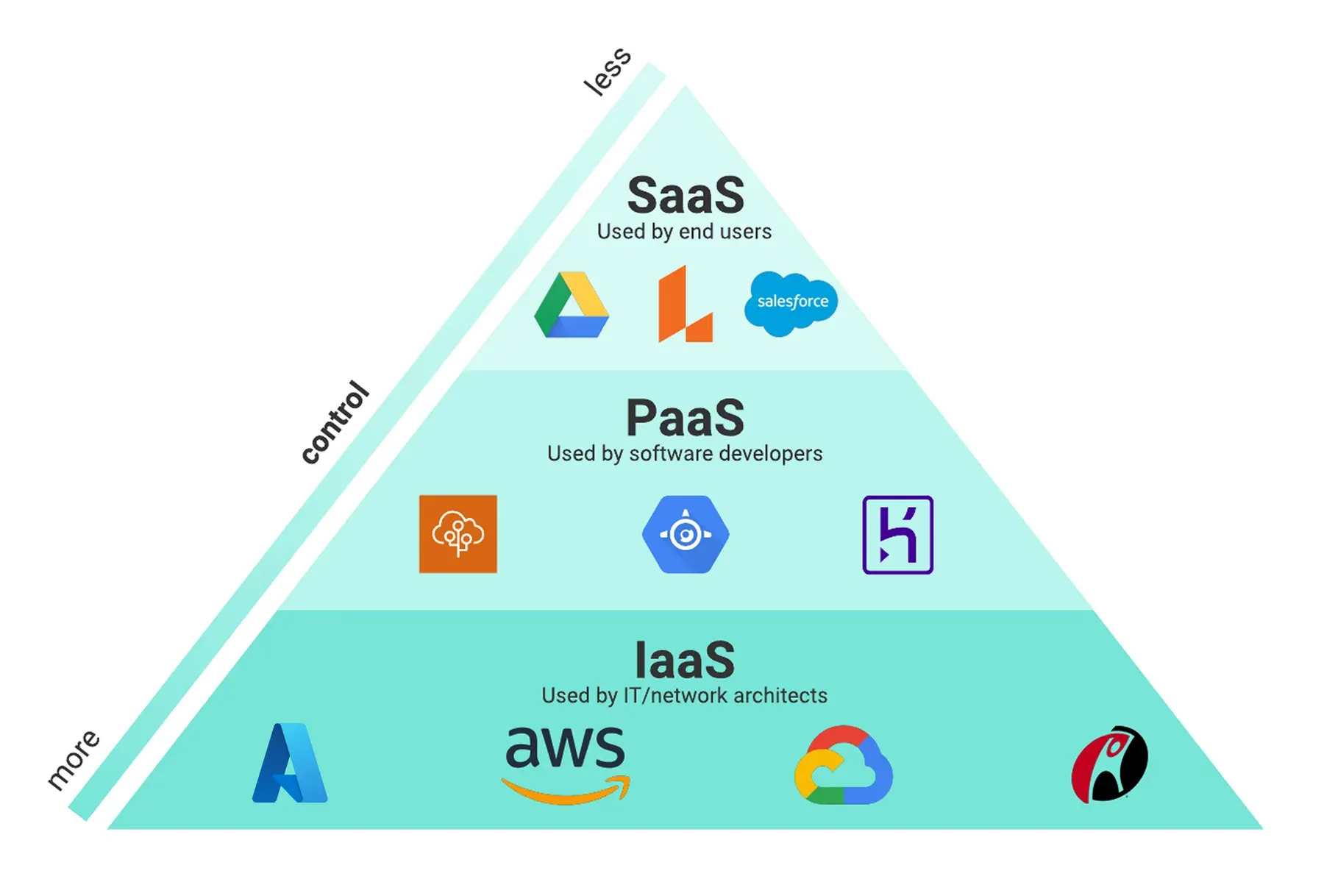
Cloud Concepts & Service Models
Everyone uses the cloud every day, yet most people freeze when asked what it actually is. Here is the whole idea in the time it takes to order a coffee - and a simple way to make any cloud decision afterward.
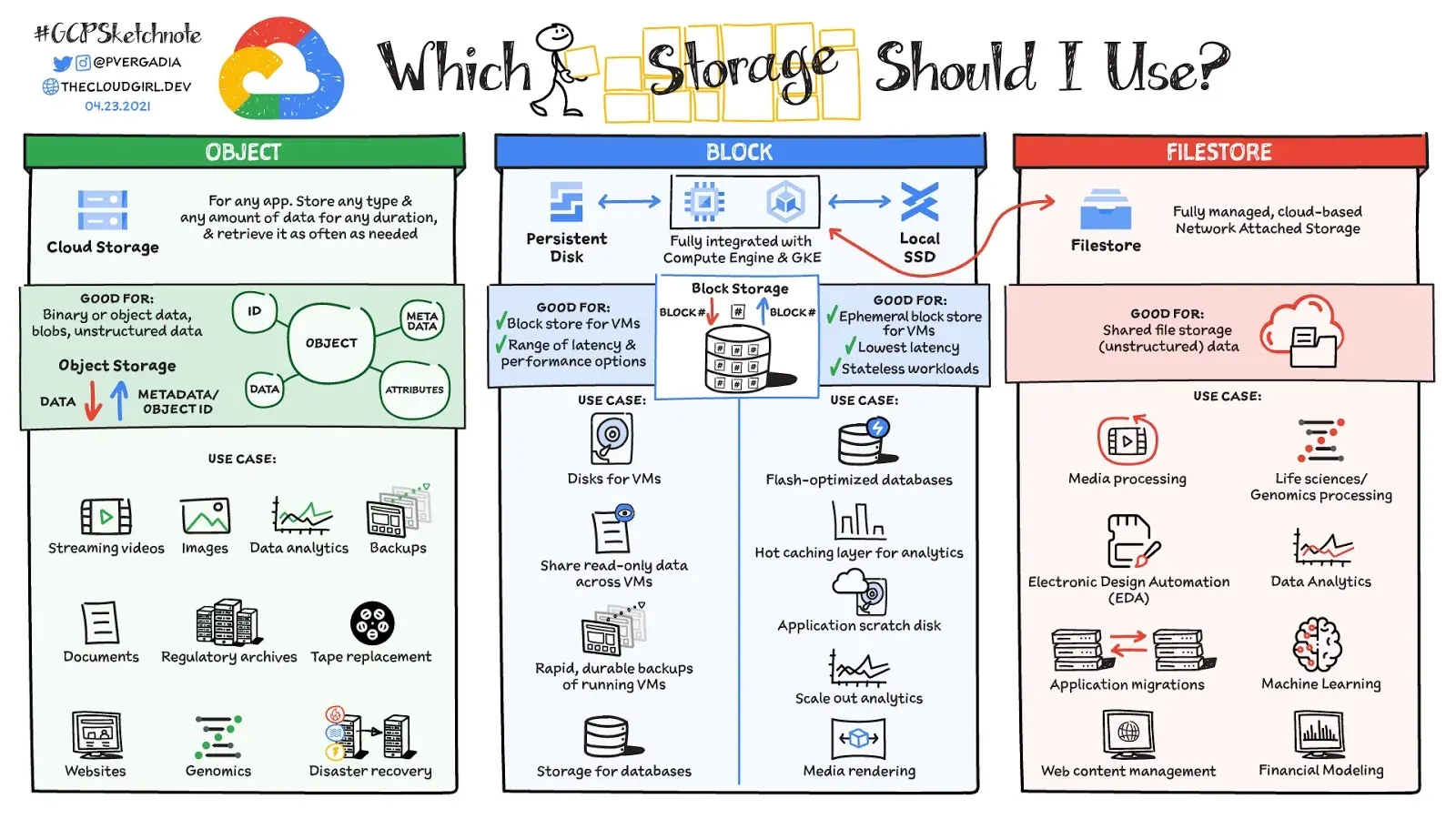
Object Storage & Data in the Cloud
A bucket is the cheapest thing in the cloud to create and one of the easiest to get wrong. Here is the story of one folder of holiday photos, and how it quietly teaches you everything that matters about storing data in the cloud.
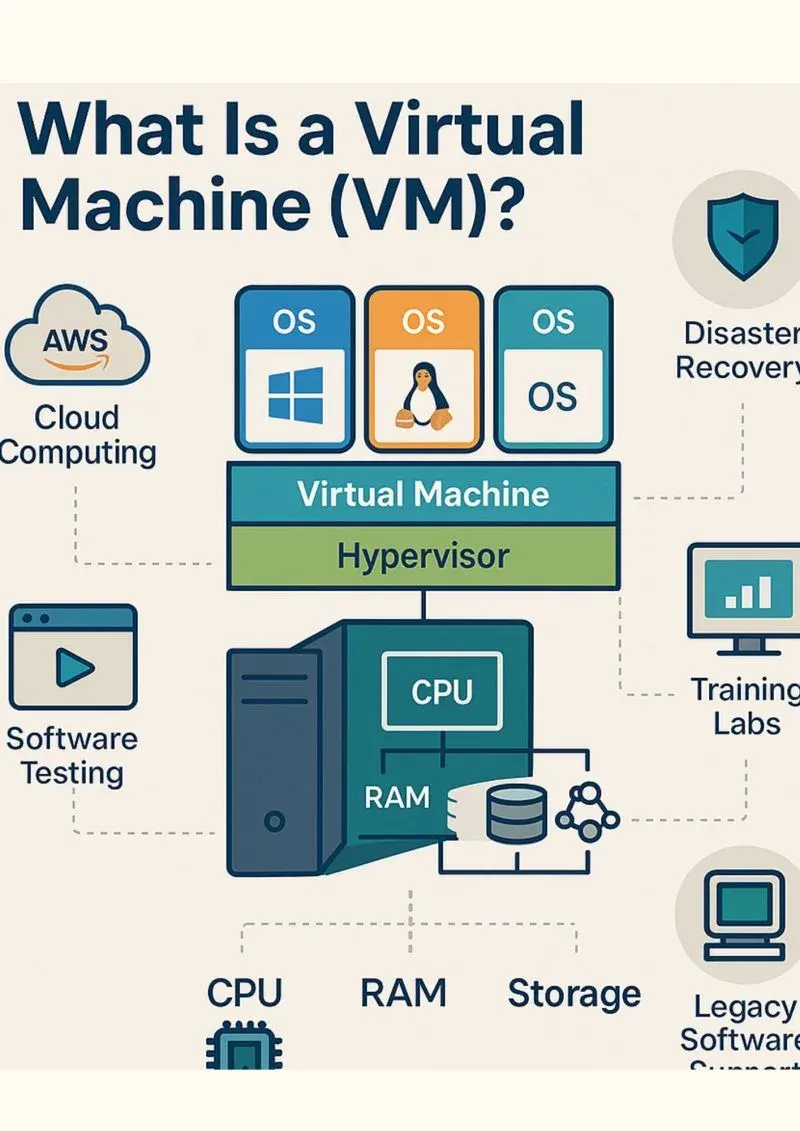
Virtual Machines & Cloud Networking
Before you ever touch a cloud console, picture a hotel. Once that image is in your head, virtual machines and cloud networking stop being intimidating and start being obvious.
Comments
No comments yet. Start the conversation.