Assessment & Feedback Design
Most assessments measure the wrong thing and most feedback is never used. A designer's mindset fixes both - and it starts before you write a single question.
TL;DR
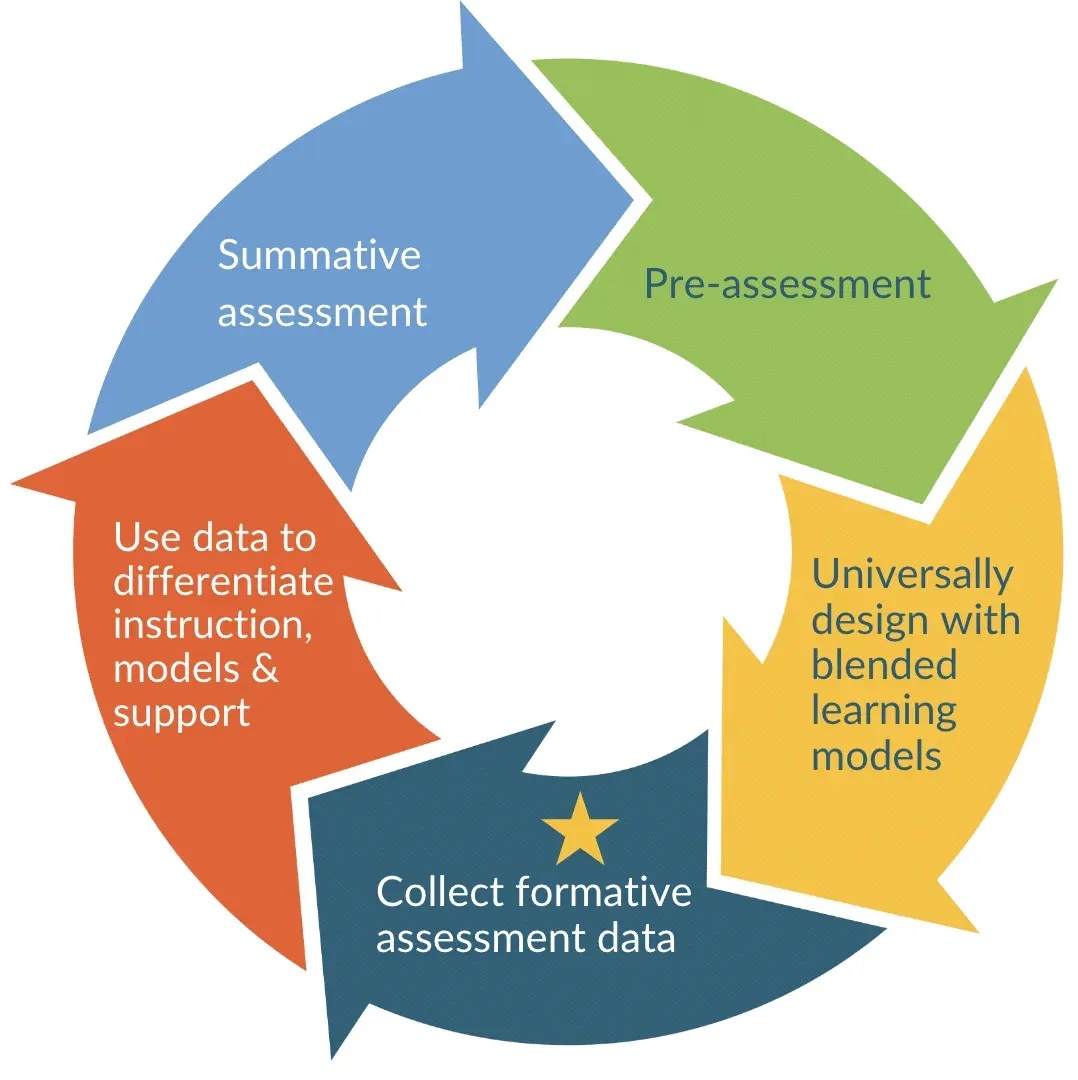
Most assessments measure what is easy to grade, and most feedback is never used. Designing assessments starts with the outcomes learners should reach, then checks validity and reliability, and treats feedback as the moment learning moves, specific, timely and actionable, with results used to improve the teaching too.
On this page
The week-before problem
Picture the most common way an assessment gets made. It is the week before the deadline. The instructor opens a blank document, scrolls back through the slides, and writes questions about whatever feels coverable. Some are easy to grade, so there are a lot of those. The exam goes out, comes back, gets marked by gut over a long weekend, and produces a column of numbers that nobody fully trusts - least of all the learners, who mutter that the test had nothing to do with the lectures.
Almost everything wrong with that scene is a design failure, not an effort failure. The instructor worked hard. The questions were probably fine sentences. But the assessment was aimed by accident, graded inconsistently, and followed by no feedback anyone could act on. Fixing it does not require working harder. It requires deciding three things before writing anything: what decision the assessment will inform, whose information it is, and what evidence would genuinely convince a skeptic.
Aim before you write
The deepest defect in most assessments is invisible because it lives upstream of the questions: misalignment. The stated outcome promises one thing (“learners will design”), the teaching practises a second (watching demonstrations), and the exam measures a third (recalling definitions). Each piece is defensible alone. Together they guarantee that the grade measures something other than what the course claims to teach.
The cure is an old, slightly unfashionable idea called constructive alignment, and it is almost mechanical once you accept it. Read the verb in your learning outcome. If the outcome says “design,” then learners should practise designing in class and be assessed on a design task. The test is brutally simple: could a student ace your assessment without ever doing what the outcome’s verb describes? If yes, you are measuring the wrong thing, and no amount of polish on the questions will save you.
This is why good designers plan backward. Start from the destination - what should learners be able to do - then ask what evidence would prove it, and only then design the task and the teaching. It feels backward because most of us plan forward from content we want to cover. But content planned forward tends to wander; evidence planned backward keeps it honest. Bloom’s taxonomy helps here not as a hierarchy of worth but as an honesty check: a course that advertises “analyze and evaluate” but tests only recall is overclaiming, and learners can tell.
Two things every assessment must earn
Once aimed correctly, an assessment has to earn two properties that are quietly in tension. Validity asks whether it measures the right thing. Reliability asks whether you would get the same result on a different day or from a different marker. A single multiple-choice test is gloriously reliable - a scanner never disagrees with itself - but it may have weak validity for a complex skill like writing or diagnosis. A rich open-ended project has high potential validity but is hard to score consistently.
The lazy resolution is to retreat to easy-to-grade, shallow tasks and call the reliability a virtue. The better move is to keep the authentic task and buy back reliability through design: a clear rubric and a few minutes of marker calibration. The rubric is the hinge. It names the criteria you are judging and describes, in observable terms, what each level of quality looks like. Shared before the task, it stops being a grading secret and becomes a specification of success. Learners aim at a target they can see, and your eventual feedback has a shared vocabulary to draw on.
Feedback is where learning actually moves
A grade tells learners where they landed. Feedback tells them how to move - and of the two, feedback is the one that changes what happens next. The research is striking and a little unnerving: high-quality feedback is among the most powerful influences on learning, yet a meaningful share of feedback interventions make performance worse. The deciding factor is what the feedback points at.
The most useful framing asks feedback to answer three questions for the learner: where am I going, how am I going, and where to next. The third - the concrete next action, the feedforward - is the one most often skipped and the one that matters most. “This is weak” describes a gap and strands the learner at the edge of it. “Your second paragraph makes three claims with no evidence; add one source per claim” is a task they can do tomorrow. Comment on the work and the process, never on the worth of the person; “you’re so smart” is the weakest feedback there is and can quietly tie a learner’s identity to their last score.
And then the step almost everyone omits: give learners time and a reason to act on the feedback. Feedback that is never used is wasted breath. A revision cycle, a required reply to one comment, a two-line reflection on what they will change next time - any of these closes the loop. That closed loop, repeated, is what learning looks like from the outside.
Turning the lens on yourself
The final discipline is to treat your own assessment the way you ask learners to treat feedback. The scores it produces are data about the assessment itself. An item your strongest learners get wrong more often than your weakest is not a hard question; it is a broken one - miskeyed, ambiguous, or rewarding a misconception - and it should be pulled. A place where the whole cohort failed is a message about your teaching, not just their studying. Twenty minutes after grading, spent asking which items underperformed, where the cohort clustered, and whether the grades matched the outcomes’ weights, will make next year’s version measurably better.
None of this is exotic. Aim before you write. Earn validity and reliability on purpose. Make feedback specific, actionable, and actually used. Then gather the evidence your own assessment hands you, and close your own loop. Do that for a few cycles and the week-before scramble disappears - replaced by a maturing instrument that gets sharper, fairer, and more trustworthy every time it runs.
Key takeaways 5
- Assessment is a design task, not a last-minute chore.
- Start from the learning outcomes, then write questions that show them.
- Every assessment must earn validity (it measures the right thing) and reliability (consistent results).
- Feedback should be specific, timely and something learners can act on.
- Use results to improve your own course, not just to grade learners.
Watch & learn

Frequently asked questions
What makes a good assessment?
A good assessment is aligned with the learning outcomes, valid (it measures what it claims to), reliable (it gives consistent results) and fair, and it gives learners useful information about their progress.
What is the difference between formative and summative assessment?
Formative assessment happens during learning to guide improvement, such as quizzes or drafts with feedback. Summative assessment measures what was learned at the end, such as a final exam or certification.
How do you give effective feedback?
Make it specific, timely and focused on the task rather than the person, explain the gap between current and expected performance and suggest a concrete next step.
Go deeper with the free masterclass
Workshop, PDF handbook and curated resources for “Assessment & Feedback Design”.
Related articles

Building Hands-On Labs & Exercises
Most technical training fails not because the content is wrong, but because learners never get their hands dirty. Here is how to design labs that turn watching into doing.

AI Tutors & Personalized Learning
For forty years we have known one-to-one tutoring works almost magically well, and we could never afford it. Large language models change the math - but only if we remember that the model was never the teacher.
Foundations of Adult Learning
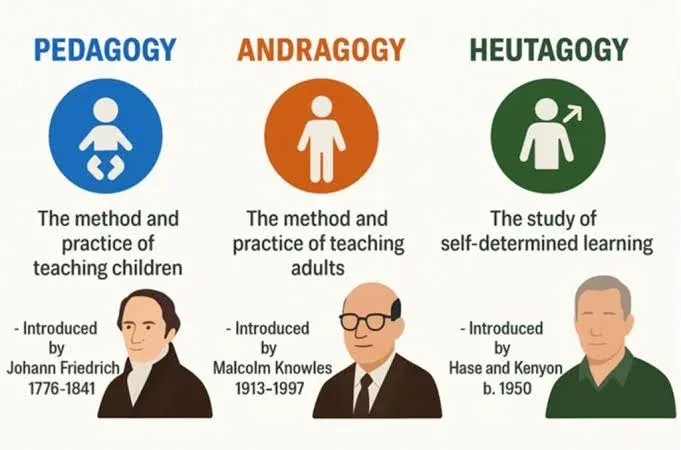
Adults do not learn the way children are taught. Here is what every new trainer, teacher, and subject-matter expert needs to know before stepping in front of a room of grown-ups.
Comments
No comments yet. Start the conversation.