Agile Project Management for Technical Teams
Your team has daily standups, two-week sprints, and a burndown chart. So why does shipping anything still feel like wading through wet cement? You might be doing fake Agile.
TL;DR
Many teams run every Agile ceremony yet still take months to ship. The fix is not more process: Agile is about short feedback loops with real users, working software over documents, and responding to change, so measure the time from idea to a user actually touching it.
On this page
There is a specific kind of suffering that only happens on teams that believe they are already agile. The board is immaculate. The standups start on time. Story points are debated with theological seriousness. And yet the gap between “we had an idea” and “a real user touched it” is measured in months. Everyone is busy. Nothing ships. Welcome to fake Agile, where the ceremonies are flawless and the agility is nowhere to be found.
The original promise, in plain words
When the Agile Manifesto was written in 2001, it did not prescribe meetings. It expressed preferences. Working software over comprehensive documentation. Responding to change over following a plan. Individuals and interactions over processes and tools. Customer collaboration over contract negotiation. The whole thing fits on a napkin, and not one line mentions a standup, a story point, or a velocity chart.
That is the part most teams skip. They adopt the visible artifacts of teams they admire without adopting the values that made those artifacts useful. It is cargo cult thinking: build the runway, light the torches, and wait for the planes to land. They never do, because the runway was never the point.
How to spot the fake
Fake Agile has a recognizable smell. Here is what it looks like up close.
The meeting count went up, not the delivery rate. Someone read that agile teams meet often and concluded that meeting often makes you agile. So now there is planning, refinement, two kinds of standup, a review, a retro, and a separate “alignment sync,” and the actual code review waits three days because nobody has time.
Change is treated as failure. The whole reason “responding to change” made the list is that requirements move as you learn. But on a fake-agile team, a mid-sprint change request triggers visible pain, a stern reminder about “sprint commitment,” and a request to put it in the next sprint, which is four weeks away. The plan has quietly become the boss again.
Estimates have turned into deadlines. Story points were meant to build shared understanding and rough forecasts. Then a manager started writing them down, comparing them across sprints, and asking why velocity dipped. Now everyone pads their estimates, the numbers mean nothing, and “we said five points” has become a stick.
The retrospective changes nothing. The team dutifully lists what went badly, nods, and then does the exact same things next iteration. A retrospective that produces no change is not a retrospective. It is a support group with a timer.
Being agile is mostly about loops
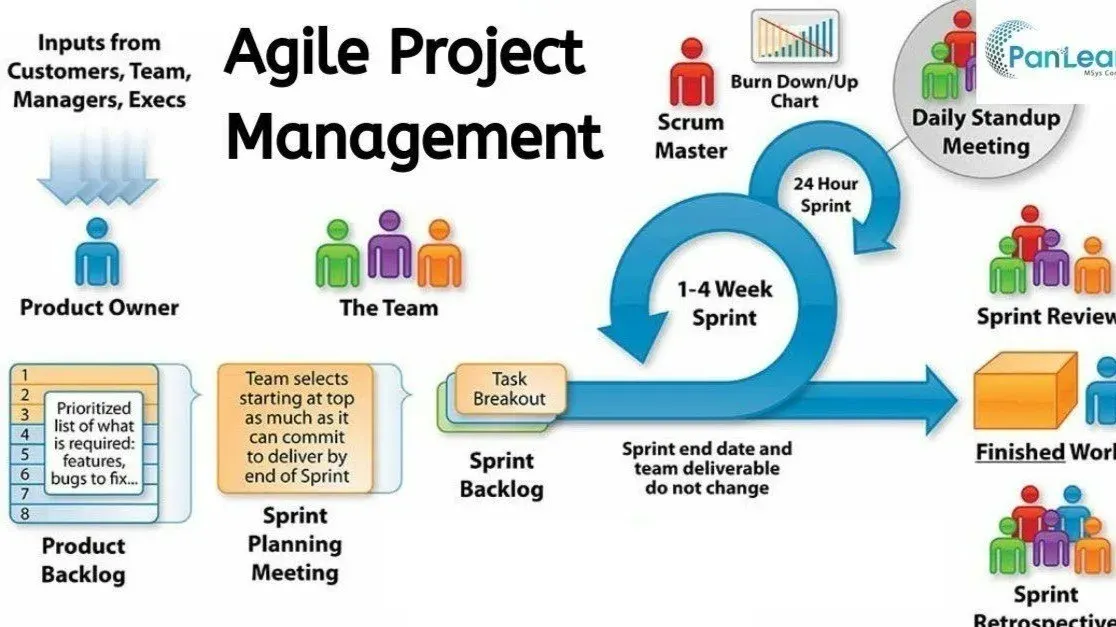
Strip away the vocabulary and agility comes down to one habit: short loops between deciding and learning. Build something small. Put it in front of a real user. See what happens. Adjust. Do it again, fast. Every genuine agile practice exists to tighten that loop. Every fake one widens it while pretending to help.
This is why two teams can look identical on paper and behave like opposites. One runs perfect ceremonies and ships quarterly. The other barely names its rituals but releases something usable every few days, talks to customers constantly, and reprioritizes without drama. The second team is agile. The first is performing agility for an audience that left the room.
What to do instead
You do not need to throw out Scrum or Kanban. You need to point them back at the loop. Try a few honest questions at your next retro, and answer them with evidence, not vibes.
- How long, really, from idea to a user touching it? If the answer is months, that is your problem, not your board layout.
- When priorities change mid-cycle, how much drama does it cause? If the answer is “a lot,” your process is fighting the world instead of riding it.
- Did last retro’s improvement actually happen? If not, your improvement engine is broken, and nothing else will get better either.
Then fix one thing. Shrink the batch. Cut a meeting. Cap work in progress so the team finishes before it starts more. Ship something tiny this week instead of something complete next quarter. Use your estimates to plan, and never, ever to punish.
The uncomfortable part
Real agility is uncomfortable in a way ceremonies are not. It means showing unfinished work and inviting criticism early. It means admitting the plan was a guess. It means trusting the team enough to let it decide how to work, then living with the messiness of frequent change. Ceremonies are easy to perform because they ask nothing of you except attendance. Values are hard because they ask you to give up control of the plan.
So before you tune your board or buy another tool, ask the only question that matters: does this help us deliver value sooner and change direction without pain? If yes, keep it. If no, it is theater, however well rehearsed. Stop performing Agile. Start being agile.
Key takeaways 5
- Ceremonies are not agility; flawless standups can hide months-long delivery.
- The Agile Manifesto expressed preferences, not a meeting schedule.
- Agility is mostly about short feedback loops with real users.
- Measure the time from idea to a user touching it, not story points.
- Cut work into small, releasable slices and ship them often.
Watch & learn

Frequently asked questions
What is fake Agile?
Fake Agile is when a team follows Agile rituals such as sprints, standups and story points but still delivers slowly and rarely gets real user feedback. The process exists, but the agility does not.
What matters most in Agile project management?
Fast feedback loops: delivering small increments of working software to real users often, learning from their response and adjusting the plan.
Are story points a good measure of progress?
Not on their own. Story points help with planning, but progress is better measured by working software in users' hands and by lead time from idea to delivery.
Go deeper with the free masterclass
Workshop, PDF handbook and curated resources for “Agile Project Management for Technical Teams”.
Related articles
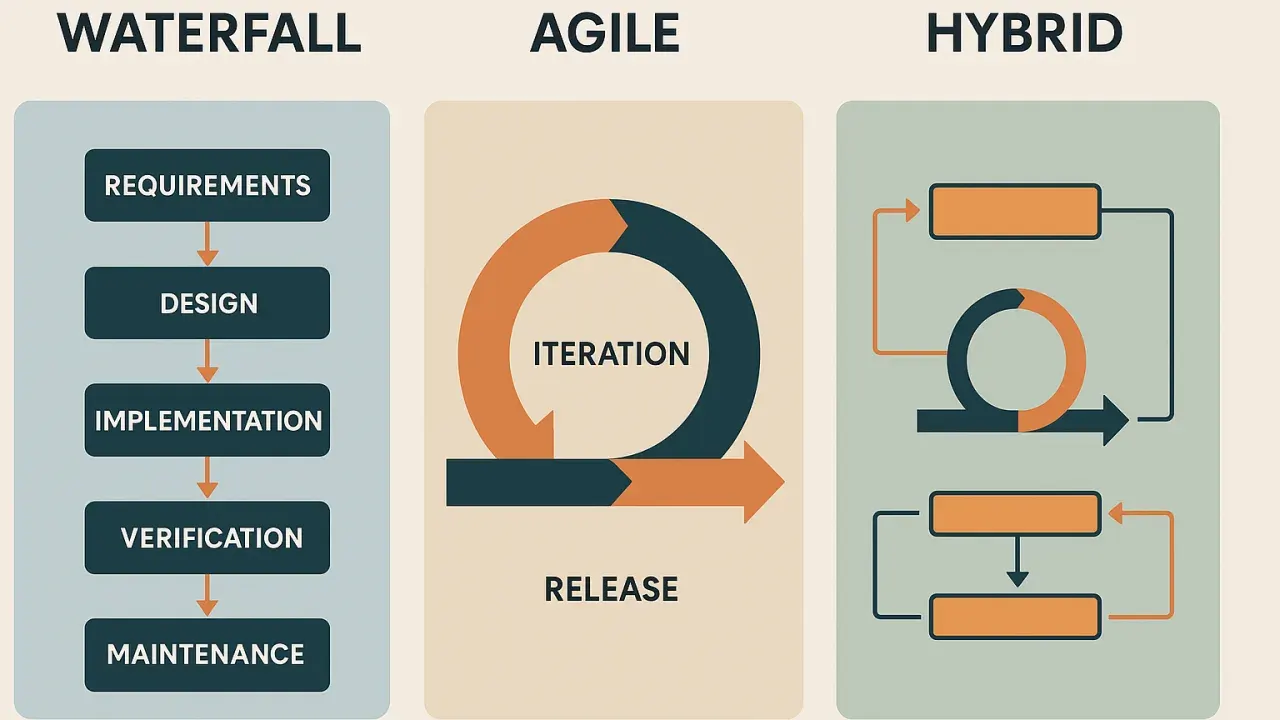
Hybrid Agile + Waterfall Delivery
Most organizations are neither agile nor waterfall. Stop apologizing for it and start designing for it.
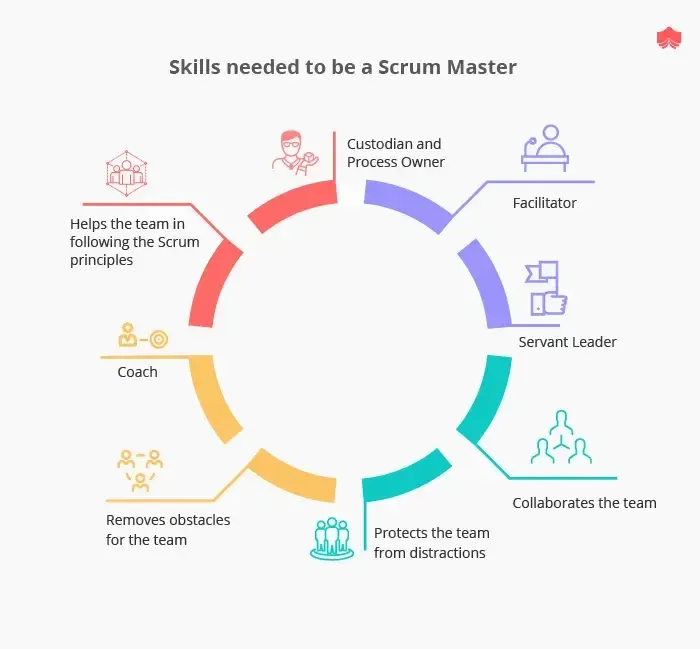
Scrum Master Essentials
Everyone wants the Scrum Master title and nobody wants the actual job. Here is the uncomfortable truth: if your team still needs you in the room, you have not finished the work.
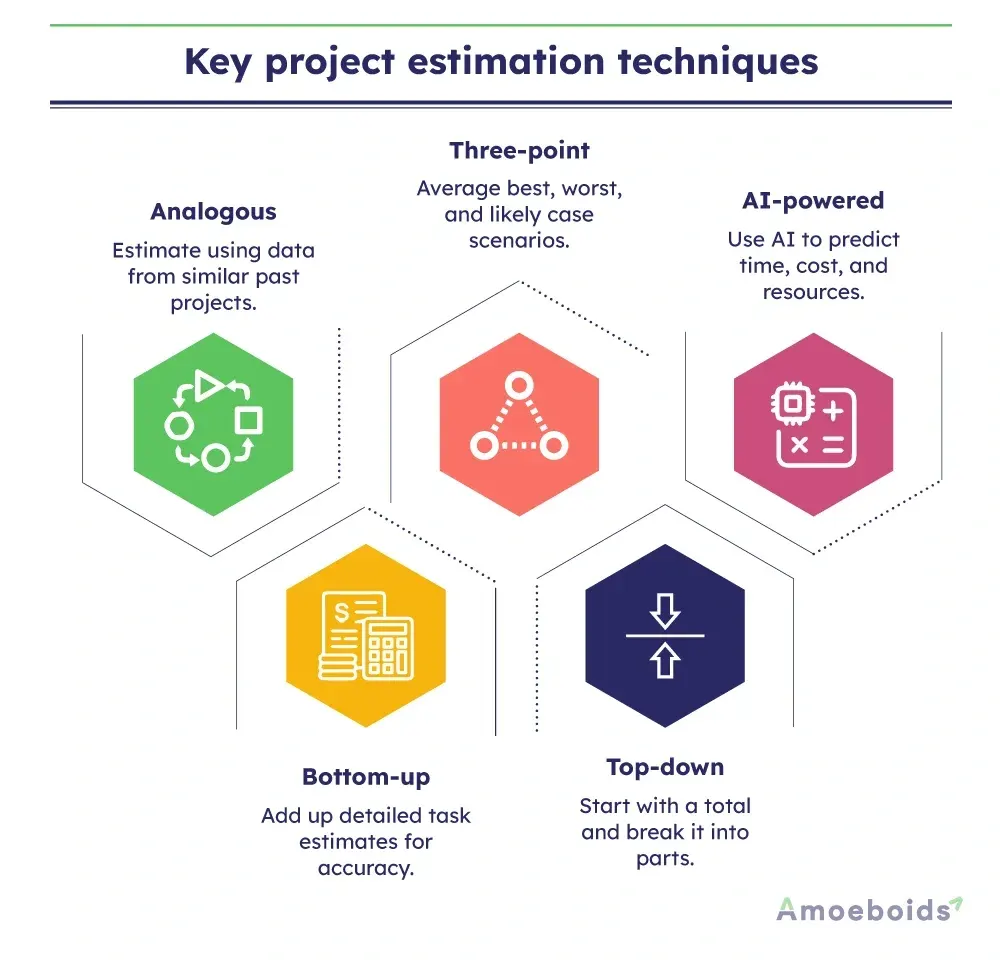
Estimation & Planning Techniques
Estimates fail for predictable reasons. Here is how to forecast work as a range, plan with honest buffers, and update as you learn.
Comments
No comments yet. Start the conversation.