Zero Trust Architecture Explained
The perimeter was never a wall. It was an assumption, and assumptions are exactly what attackers exploit.
TL;DR
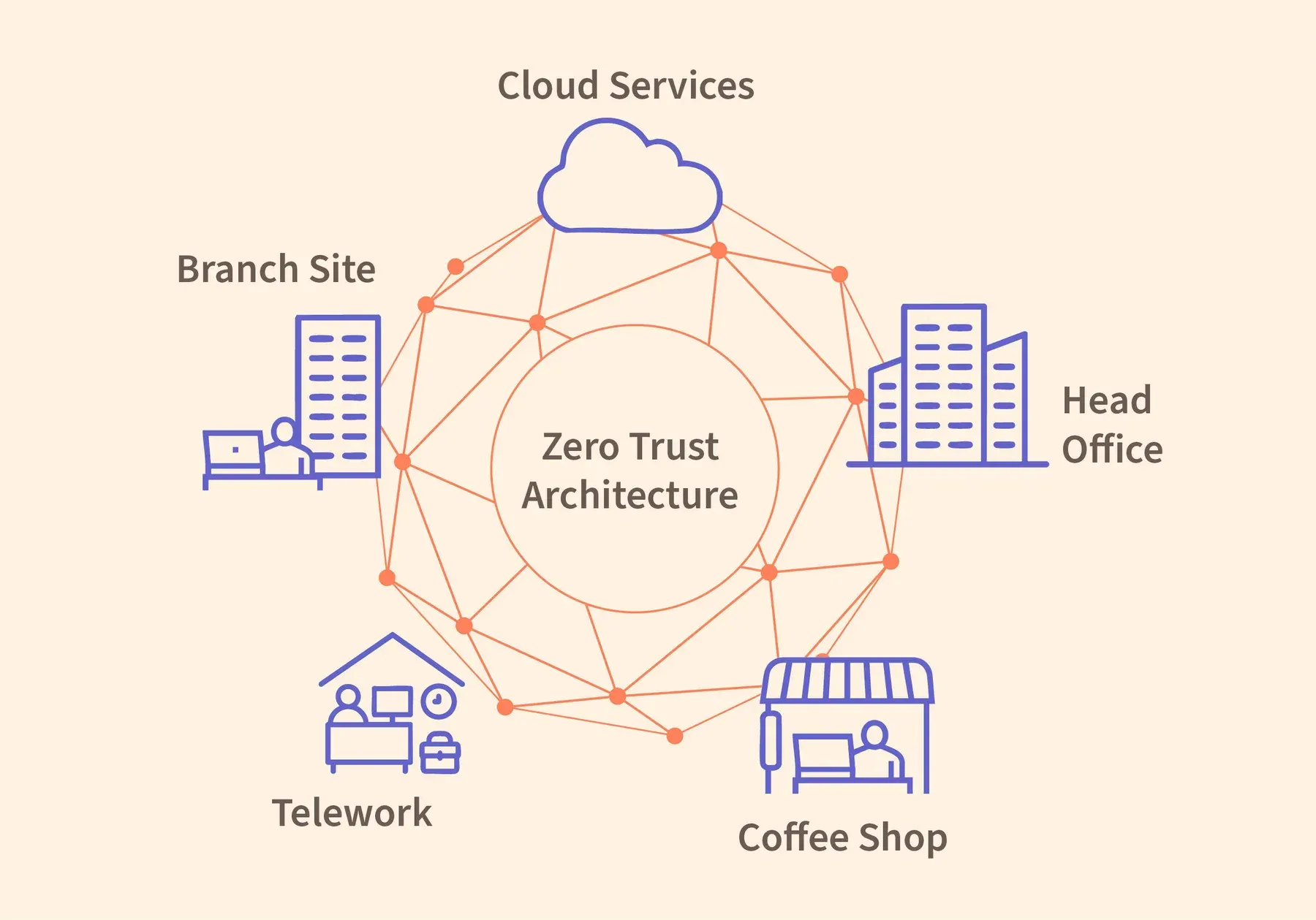
The castle-and-moat model trusted everything inside the network, but apps moved to SaaS, data to the cloud and people to kitchens and coffee shops. Zero trust means never trust, always verify: identity becomes the perimeter, every request is checked against device and context, and segmentation shrinks the blast radius. It is a journey, not a product.
On this page
For most of the history of enterprise security, we drew a line around the things we cared about and called everything inside it safe. Firewalls guarded the boundary, VPNs extended it to remote workers, and a quiet, dangerous belief took hold: if you are inside the network, you are trusted. Security architects have a name for this now, usually said with a wince. Castle-and-moat.
The trouble is that the castle emptied out. Our applications moved to SaaS platforms we do not run. Our data lives in cloud accounts reachable from anywhere. Our people work from kitchens and coffee shops on devices that never touch the corporate LAN. The moat still works perfectly; it just no longer surrounds anything. And while we were busy guarding a boundary that had dissolved, attackers learned the one move that defeats castle-and-moat every time: get inside once, then walk.
The assumption that breaks
Almost every serious breach of the last decade follows the same script. An attacker obtains a single foothold, usually through a phished credential or a compromised supplier, and lands somewhere on the trusted interior. From there, the flat internal network does the rest of the work for them. They move laterally, server to server, east to west, toward the systems that actually matter, and the perimeter defenses, all pointed outward, never see a thing.
The lesson is not that firewalls are bad. It is that location stopped being a meaningful proxy for trust. Being “on the network” tells you nothing about whether a request is legitimate. So we have to stop pretending it does.
Never trust, always verify
Zero trust is the architecture that takes that lesson seriously. Its slogan, coined by John Kindervag around 2010, is deceptively simple: never trust, always verify. No request earns trust by its origin. Every attempt to reach a resource is authenticated, authorized, and checked against policy, every single time, whether it comes from the data center, a home office, or the far side of the planet.
The U.S. National Institute of Standards and Technology gave the idea a neutral, rigorous definition in Special Publication 800-207 in 2020, and it is worth reading because it cuts through the marketing. Zero trust, NIST says, treats every service and dataset as a resource to be protected, secures all communication regardless of where it sits, grants access per session, and makes that decision dynamically using identity, device posture, and context. Trust is never permanent. It is evaluated fresh, on every request, and it can be revoked the instant the signals change.
The new perimeter is identity
If location no longer decides trust, something has to. In practice, the answer is identity. When anyone can connect from anywhere to anything, the one durable control point is who is asking, on what device, in what context. This is why mature zero trust programs are, underneath, identity programs. They consolidate authentication behind single sign-on, enforce phishing-resistant multi-factor authentication everywhere, and apply conditional access so that each sign-in is judged on live risk rather than a correct password. They strip away standing administrative privilege in favor of just-in-time, just-enough access that expires on its own. And they retire the VPN, which dumps a remote user onto the network and trusts them like an insider, in favor of zero trust network access, which connects a verified user to a single authorized application and keeps everything else invisible.
Shrinking the blast radius
Identity decides who gets in. Segmentation decides how far they can go. The flat internal network, the thing that turned a single foothold into a full compromise, gets carved into small zones that default to denying traffic between them. Microsegmentation governs the east-west movement that perimeter tools ignored, expressed in terms of workload identity rather than brittle IP ranges. A software-defined perimeter goes further and makes resources unreachable, even unseeable, until a broker has checked policy and brokered the connection. You cannot attack what you cannot find. Behind it all, traffic is encrypted even when it is “internal,” services authenticate each other, and data is classified and protected in its own right, because reaching a database should never be the same thing as being allowed to read it.
A journey, not a purchase
Here is the part the vendors will not put on the brochure: you cannot buy zero trust. There is no license that delivers it and no day you finish. It is a strategy applied across identity, devices, networks, applications, and data, using capabilities you mostly already own. The honest way to adopt it is incremental. Inventory what you have, because you cannot protect what you cannot see. Fix identity first, since it returns the most risk reduction per unit of effort. Pick one high-value protect surface, build the full pattern around it, learn, and repeat. Measure progress with real metrics and re-score your maturity, pillar by pillar, against a model like CISA’s, watching yourself move from traditional toward optimal.
The mindset that ties it together is assumed breach. Design as though the attacker is already inside, because more and more often, they are. Verify every request, grant the least privilege for the shortest time, deny every path by default, and turn every signal into better policy. You will never plant a flag and declare the work done. The steady progression is the work, and it is the most defensible posture we have found for a world where the wall fell down years ago and most organizations have not yet noticed.
Key takeaways 5
- Castle-and-moat security assumed everything inside was safe.
- Zero trust means never trust, always verify.
- Identity and device health form the new perimeter.
- Least privilege and micro-segmentation shrink the blast radius.
- Zero trust is a gradual journey, not a single product.
Watch & learn

Frequently asked questions
What is zero trust architecture?
Zero trust is a security model that grants no implicit trust based on network location. Every access request is authenticated, authorized and continuously evaluated based on identity, device and context.
What are the core principles of zero trust?
Verify explicitly, use least-privilege access and assume breach, designing systems so a compromise is contained.
How do organizations start with zero trust?
Begin with strong identity and multi-factor authentication, inventory devices and applications, enforce device health checks, then segment access to sensitive resources step by step.
Go deeper with the free masterclass
Workshop, PDF handbook and curated resources for “Zero Trust Architecture Explained”.
Related articles
Network Security Basics (Firewalls & VPN)
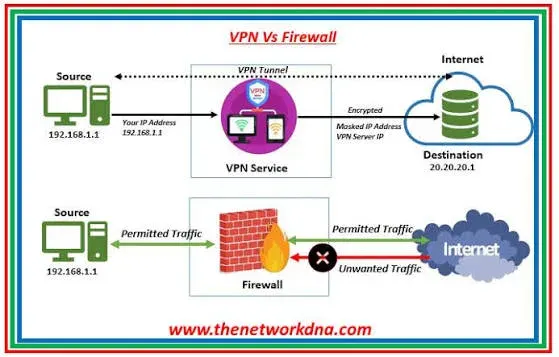
Firewalls and VPNs sound like enterprise jargon, but the ideas behind them are simple and within reach for any small network. Here is how to think about defending one.

Supporting Hybrid & Remote Workforces
The office help desk assumed it could walk over and fix things. When the users scattered, the service desk had to be rebuilt around a single uncomfortable truth - you can never touch the device.
Securing Industrial Control Systems: Deep Dive
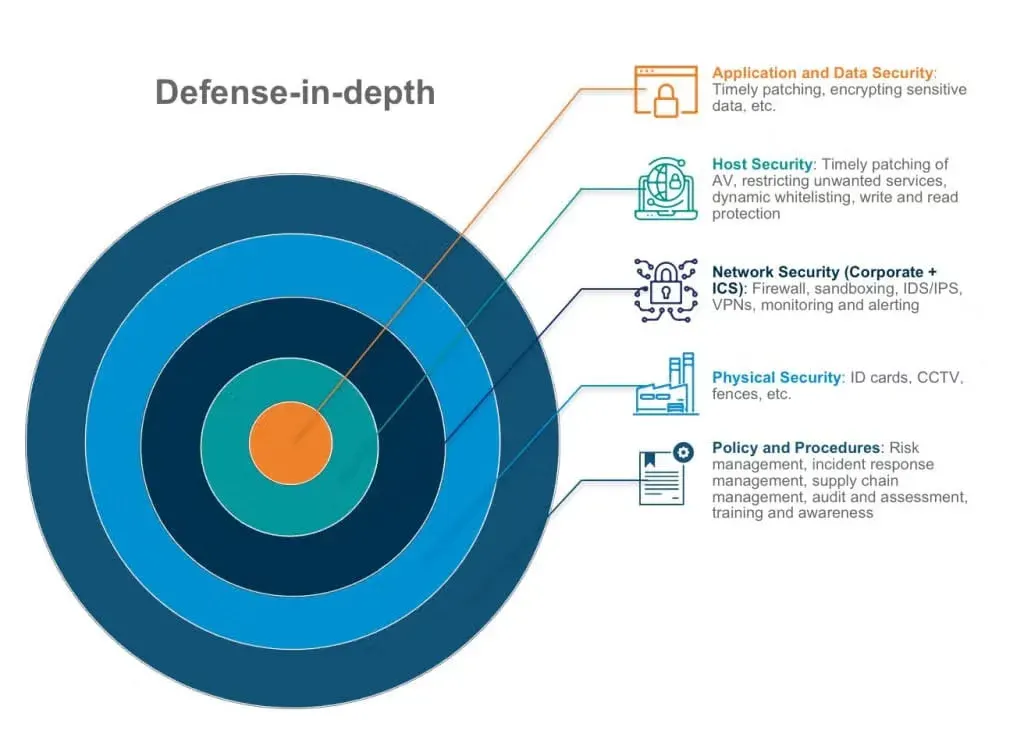
Defending industrial control systems is not IT security with a hard hat - it is a different discipline where availability and safety outrank everything, and visibility beats patching.
Comments
No comments yet. Start the conversation.