The Psychology of Yes: Robert Cialdini's "Influence"
In one breath
Robert Cialdini studied salespeople, advertisers and con artists to explain why we say yes. Six principles, reciprocity, commitment, social proof, authority, liking and scarcity, trigger automatic shortcuts that compliance professionals exploit. Understanding them helps us persuade ethically and defend against manipulation.
On this page
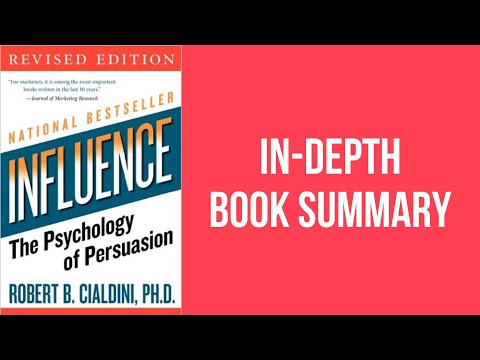
Robert Cialdini’s Influence: The Psychology of Persuasion is the classic study of how, and why, we say yes. Cialdini, a social psychologist, spent years studying the “compliance professionals,” salespeople, advertisers, fundraisers, con artists, who make their living getting other people to agree, and he distilled their techniques into a set of psychological principles. His aim is double-edged and important: to understand these principles both so that we can use them ethically and, crucially, so that we can defend ourselves against their misuse. Reading it is a slightly unsettling experience, because you recognise, again and again, the very tactics that have worked on you, and begin to see the hidden machinery of persuasion operating all around you.
Here is what Influence taught me about the weapons of persuasion, about our automatic responses, and about defending ourselves against manipulation.
Key takeaways
- Six principles of persuasion: reciprocity, commitment, social proof, authority, liking, and scarcity.
- We rely on automatic shortcuts, which compliance professionals exploit.
- Reciprocity: a small gift creates a powerful urge to give back.
- Social proof and authority make us follow the crowd and obey experts, often uncritically.
- Awareness is the best defense against being manipulated.
The weapons of influence
Cialdini identifies six key principles, or “weapons of influence,” that reliably trigger our compliance. Reciprocity: when someone does us a favour or gives us something, even unwanted, we feel a strong obligation to give back, which is why free samples and small gifts are so effective. Commitment and consistency: once we have committed to something, especially publicly, we feel pressure to act consistently with it, which is why getting a small initial “yes” makes a bigger “yes” more likely. Social proof: we look to what others are doing to decide what is correct, following the crowd. Authority: we defer to experts and symbols of authority, often without examining whether they deserve it. Liking: we say yes more readily to people we like, and we like people who are attractive, similar to us, or who flatter us. And scarcity: we want things more when they seem rare or fleeting, which is why “limited time only” works so well. Each of these is a genuine, useful feature of human psychology, and each can be turned against us.
Our automatic responses
Why do these principles work so reliably? Cialdini’s deeper insight is that they exploit our automatic responses. Life is complex and we cannot deliberate over every decision, so we rely, sensibly, on mental shortcuts, rules of thumb that usually serve us well: if an expert says so, it is probably true; if everyone is doing it, it is probably fine; if it is scarce, it is probably valuable. These shortcuts are efficient and mostly adaptive. But because they are automatic, they can be triggered artificially by anyone who knows how, getting us to comply without genuine thought. The compliance professional is, in effect, pressing the buttons of our automatic machinery. This is the slightly disturbing realisation the book produces: that much of our “deciding” is really automatic responding, and that this leaves us open to being played by those who understand the triggers.
Defending ourselves
Crucially, Cialdini does not write merely to teach persuasion, but to help us resist its misuse, and this is what makes the book valuable rather than merely cynical. The first and best defence is simply awareness: once you know the six principles, you start to notice when they are being deployed on you, the unsolicited gift designed to trigger reciprocity, the manufactured scarcity, the fake social proof, and noticing breaks the automatic spell. Cialdini also offers a sharper test: ask whether the trigger is being used genuinely or as a deliberate manipulation. A real expert’s authority is worth deferring to; a faked one is not. Genuine scarcity is information; manufactured scarcity is a trick. The defence is to re-engage deliberate thought precisely where someone is trying to keep us on automatic, to pause and ask whether we actually want to say yes, or are merely being made to.
What I’m taking with me
Influence permanently changed how I move through a world full of persuasion. What I am taking from Cialdini is the framework of the six principles, reciprocity, commitment, social proof, authority, liking, scarcity, which lets me see the hidden machinery of persuasion at work all around me; the insight that these tactics exploit our efficient but exploitable automatic responses; and the practical defence of awareness, the habit of noticing when my buttons are being pushed and pausing to think. The book made me both a more honest persuader and a far harder person to manipulate, which is exactly what Cialdini intended.
Frequently asked questions
What is Influence by Robert Cialdini about?
It is a study of the psychology of persuasion, identifying the key principles, reciprocity, commitment and consistency, social proof, authority, liking, and scarcity, that compliance professionals use to get people to say yes.
What are Cialdini’s six principles of persuasion?
Reciprocity, commitment and consistency, social proof, authority, liking, and scarcity. Each exploits an automatic human tendency to trigger compliance.
How can you defend against manipulation?
Mainly through awareness: recognizing when the principles are being used on you breaks their automatic power. Cialdini advises distinguishing genuine triggers (a real expert, real scarcity) from manufactured, manipulative ones.
References & further reading
- Cialdini, Robert B. Influence: The Psychology of Persuasion. (First edition 1984; Quill, 1993.)
- Cialdini, Robert B. Influence: Science and Practice. Allyn & Bacon, 2001.
- Kahneman, Daniel. Thinking, Fast and Slow. Farrar, Straus and Giroux, 2011.
Watch: others on this book

Read along with me
Book notes, philosophy and the ideas that shape how we build. New essays every month, no spam.
Related reading notes
Unveiling the Manipulative Mechanisms: Lessons from "Propaganda: The Public Mind in the Making"
Lessons from Edward Bernays' Propaganda: engineering consent, symbols and imagery, mass media manipulation and why ethics matter today.
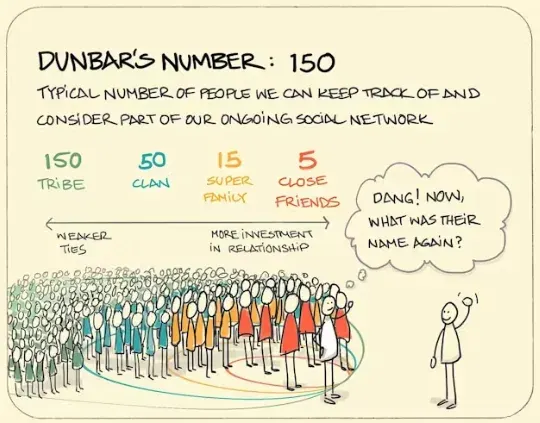
The Intricate Web of Human Friendships: Insights from Science
Friendship is a fundamental aspect of the human experience, providing emotional support, companionship, and a sense of belonging.

Forget the Grand Theory: How a "Theory of Nothing" Can Help You Be Healthier
Health psychology is obsessed with finding the one theory to rule them all: a master key to unlocking every health behavior. But what if that's a dead end?
Comments
No comments yet. Start the conversation.