The Independent Tech Consultant's Playbook
New consultants reach for the easiest number they know - their old salary divided by the hours in a year. Here is why that math quietly bankrupts you, and what to calculate instead.

TL;DR
New consultants often divide their old salary by 2,080 hours to set a rate, and end up working harder for less. That math ignores unbilled time, benefits, taxes, tools, insurance, vacations and gaps between projects. Calculate an honest rate from realistic billable hours, and better still, stop selling time altogether.
On this page
The first question every engineer asks when they consider going independent is also the one they get most wrong: “What should I charge?” The instinct is reassuringly simple. Take your old salary, divide by 2,080 - the number of working hours in a year - and there’s your hourly rate. If you earned 104,000, that’s 50 an hour. Round it up to feel like a raise, call it 65, and start sending proposals.
It feels logical. It is also the fastest way to work harder than you ever did as an employee while earning less.
What the salary number hides
That 2,080 figure assumes you bill every working hour of every working week. No employee does productive billable work for all 2,080 hours, and an independent consultant comes nowhere close. Your day does not divide neatly into chargeable time.
Consider where your hours actually go when no one else runs the business, because now that person is you. You have to find clients, which means calls, proposals, follow-ups, and the ones that go nowhere. You have to invoice, chase late payments, do your books, and file taxes. You have to keep your skills current, because no employer is funding your training anymore. And between contracts there are gaps - weeks where you have no client at all but your rent does not pause.
When you subtract all of that, a year of roughly 250 working days often leaves only 120 to 150 days you can actually bill. The other half of your year is the unpaid cost of running a one-person company.
The costs your salary never showed you
A salary is the visible tip of your total compensation. Your employer was quietly paying for a great deal more, and now that bill lands on your desk.
- Their share of payroll taxes, which you now cover entirely yourself.
- Health coverage, retirement contributions, and paid leave - all gone, all now your expense.
- Software licenses, hardware, a laptop, a phone, perhaps an office.
- Insurance, an accountant, and the legal templates you need to operate safely.
- Every sick day and holiday, which used to be paid and now earns nothing.
None of these appeared in your salary, so dividing that salary by hours captures none of them. Price off the salary and you are volunteering to absorb all of it out of your own pocket.
Doing the honest math instead
The correct calculation runs backward, from the life you want rather than the job you left. Decide the income you genuinely need to take home in a year. Add every business cost above. Then divide that total - not by 2,080 hours, but by the realistic number of days you can actually bill.
Say you want to clear 120,000 and your business costs run 30,000. That is 150,000 your billable work must cover. Divide by 130 billable days and your day rate is roughly 1,150 - the equivalent of about 144 an hour, more than double the naive 65 you would have charged off your salary. That is not greed. That is the number that keeps you solvent through the unpaid half of your year and the costs your employer used to hide.
The figure looks shocking only because we are trained to compare it to a salaried day. But a salaried day was subsidized. Yours is not. The high-looking rate is simply the true cost of your time once nobody else is paying the overhead.
Better still: stop selling time
Even the honest day-rate math has a ceiling, because there are only so many days. The deeper problem with the salary-divided-by-2,080 mindset is that it frames you as labor to be metered, when your value is the outcome you produce.
When your work stops a six-figure outage, rescues a stalled launch, or unlocks new revenue, the hours you spent are almost irrelevant to what that result is worth. Pricing against that value - rather than your time - is how independent consultants finally break the income ceiling that hourly billing builds for them. It also rewards expertise instead of punishing it: the salaried mindset means the faster you solve a problem, the less you earn, which is exactly backwards.
That shift takes confidence and real discovery, and a sustainable day rate is a fine place to begin. But begin with this: your rate is not your salary divided by 2,080. It is the cost of your business plus the value you create, divided by the far smaller number of days you can truly sell. Get that right, and independence pays for the freedom it promised.
Key takeaways 5
- Salary divided by 2,080 hours is a trap.
- Consultants rarely bill more than 50 to 70 percent of working hours.
- Include taxes, benefits, insurance, tools and time off in your rate.
- Calculate from income target and realistic billable hours.
- Move toward value-based or fixed pricing over time.
Watch & learn

Frequently asked questions
How should a new consultant calculate an hourly rate?
Add your income target to all business costs (taxes, insurance, tools, retirement, time off), then divide by realistic billable hours, often 1,000 to 1,400 a year, not 2,080.
Why is the salary-based rate too low?
Employers pay for benefits, equipment, paid leave and idle time. As a consultant you cover all of that yourself and won't bill every working hour.
Should consultants charge hourly or by value?
Hourly is simple to start, but value-based or fixed-price offers tied to outcomes usually earn more and reward efficiency rather than time spent.
Go deeper with the free masterclass
Workshop, PDF handbook and curated resources for “The Independent Tech Consultant's Playbook”.
Related articles

Pricing & Proposals for Tech Services
Skilled technical freelancers lose work and money not on the number itself, but on how they present it. Here is why a single price invites a no, and what to send instead.
Productizing Your Consulting Services
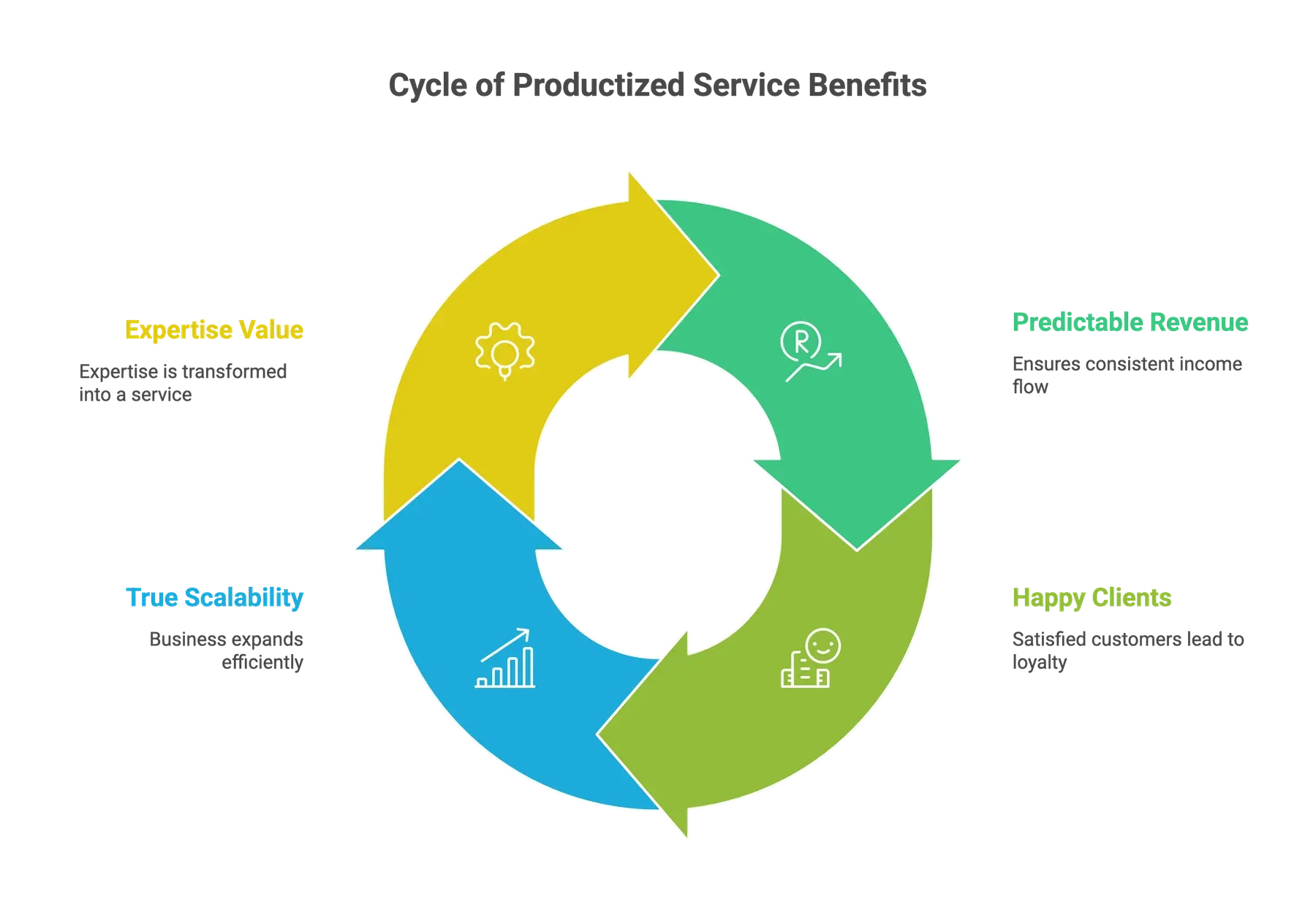
For years I sold my time and rewrote every proposal from scratch. The day I put a price on one repeatable result, my consulting practice finally started to behave like a business.
Building Recurring Revenue (Retainers)
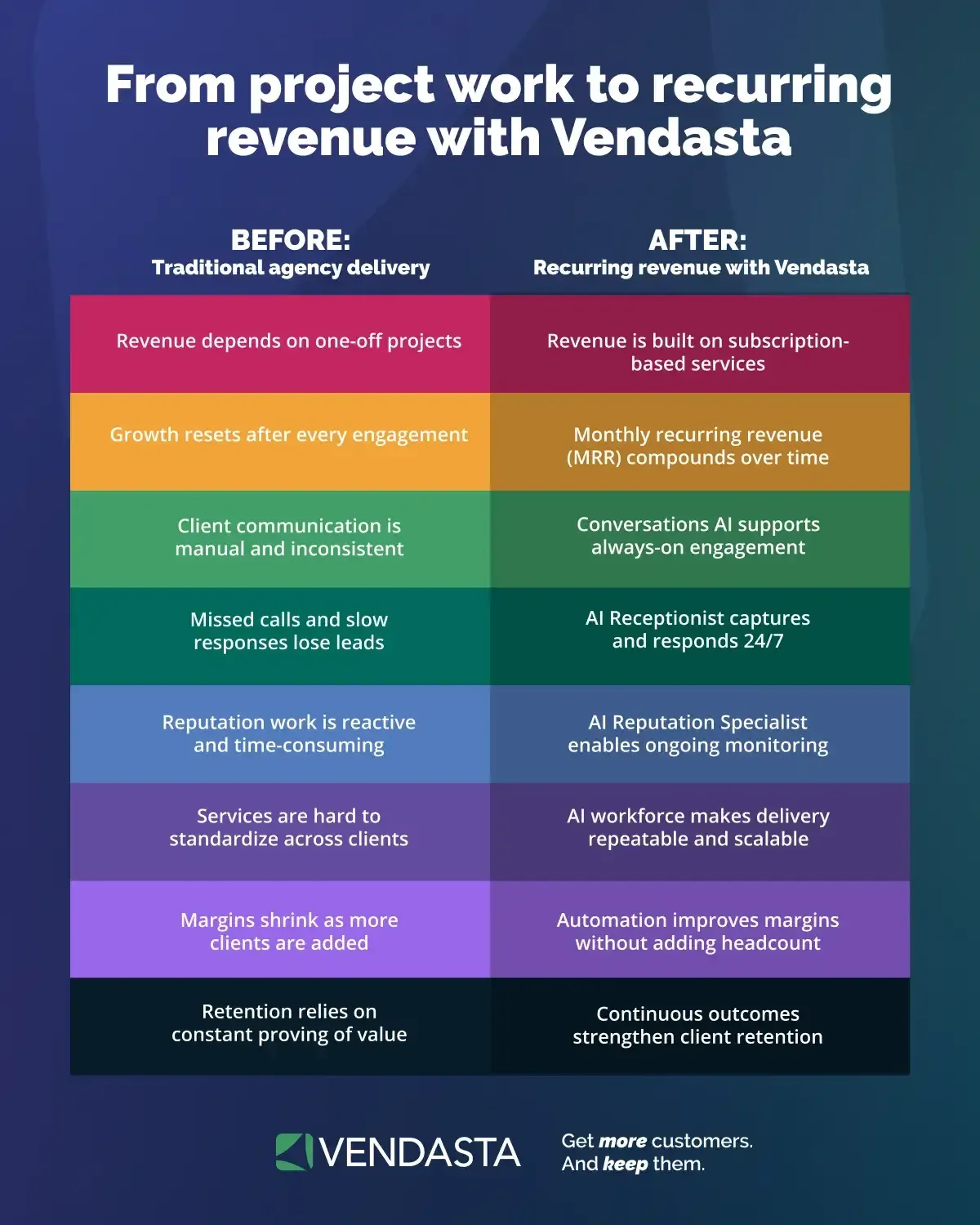
The most stressful part of consulting is not the work. It is wondering where next month's work comes from. Retainers fix that - but only if you design them as an ongoing promise, not a discounted project.
Comments
No comments yet. Start the conversation.