Pricing & Proposals for Tech Services
Skilled technical freelancers lose work and money not on the number itself, but on how they present it. Here is why a single price invites a no, and what to send instead.

TL;DR
Technical freelancers often lose deals not on their rate but on how they present it. A single price forces a yes-or-no decision; three options change the question to which one. Differentiate options by outcome rather than hours, establish value before price and recommend one option clearly.
On this page
There is a moment every freelancer knows. You have had the call, you understand the project, and now you sit down to write the email that says what it costs. The temptation is to keep it simple: a short note, a sentence about the work, and one number at the bottom. It feels clean and honest. It is also one of the most reliable ways to lose the deal or win it for far too little.
The problem is not your rate. It is that a single number, sitting alone, forces the client into the wrong question.
A lone price asks “yes or no?”
When you send one figure, you hand the client a binary decision: hire you, or don’t. There is nothing to compare it to, no context for whether it is reasonable, and no role for the client except to accept or reject. Faced with a number and no frame of reference, people do what people do - they compare it to the cheapest thing they can imagine, decide it sounds like a lot, and either say no or start negotiating it down.
You have, without meaning to, set yourself up to compete on price. And competing on price is a contest a skilled freelancer should never want to enter, because there is always someone newer and hungrier willing to go lower.
Three options change the question
Now imagine the same project presented as three tiers instead of one. A basic option that solves the core problem. A recommended middle option that adds the things most clients genuinely benefit from. A premium option that delivers the maximum result, with faster delivery and deeper support.
Something quiet but powerful happens. The client’s question shifts from “should I hire this person?” to “which of these do I want?” They are no longer deciding whether to buy. They are choosing how much value to buy. That is an entirely different - and far friendlier - conversation.
The three tiers do more work than that. The premium option gives the recommended one honest context: a price that looked high in isolation now looks reasonable next to a larger number. The basic option captures the budget-conscious client you would otherwise lose entirely, and because its scope is tightly limited, you can still deliver it profitably. And the middle option, the one you actually recommend, becomes the comfortable choice between two extremes - which is exactly where most people prefer to land.
Three is the right count. Two feels like a forced either-or. Five overwhelms. Three gives a clear middle to gravitate toward.
Differentiate on outcome, not hours
The common mistake is to build the tiers on volume - more hours, more revisions, more meetings. That is a weak ladder. “More of my time” is not something a client wants to buy; it is a cost they want to minimize.
Strong tiers differ on outcome and scope. The basic option solves the stated problem. The middle adds the upgrade that meaningfully increases the result - the integration that doubles the value, the automation that removes the manual step. The premium maximizes the outcome and reduces the client’s risk with faster delivery or extended support. When each tier buys a different result rather than a different quantity of your effort, the client is choosing among outcomes, which is precisely the frame you want.
Price comes after value, never before
Where you place the price matters as much as how you structure it. A number that appears before the client understands what they are getting reads as a cost to be challenged. The same number, placed after you have established the outcome and what it is worth, reads as an investment against that value.
This is why the strongest proposals open with the client’s own problem, in the client’s own words, and lead with the result they will get. By the time the price appears, the value is already vivid. If you have done your discovery well, you can even quantify it - the hours wasted each week, the cost of each outage avoided - so the fee sits visibly next to the value it produces. A price standing next to its payoff is easy to accept. A price standing alone is easy to argue with.
Recommend, don’t just list
Three options are not a menu to abandon the client to. The point is not to make them do the analysis. Lead with your recommendation: “Based on what you told me, I’d suggest the middle option - here’s why, and here’s what’s on either side if you want less or more.” The tiers give the client agency; your recommendation gives them confidence. You come across as an advisor exercising judgment, not a vendor reading a price sheet.
The shift underneath all of this
None of this is a trick to extract more money from clients. It is a more honest way to talk about value. A single number tells the client nothing about what they are choosing or why one price is right for them. Three well-built options, presented after the value is clear and anchored by a confident recommendation, give the client a real choice and give you a way to be paid for the outcome you create rather than the hours you happen to spend.
The next time you sit down to write that email, resist the clean single number. Build three options, lead with the problem, place the price after the value, and tell the client which one you would choose. You will stop competing on price - and start being chosen on fit.
Key takeaways 5
- A lone price invites a yes-or-no answer, often no.
- Three options shift the question to "which one?".
- Differentiate options by outcomes, not hours.
- Establish value and goals before showing any price.
- Recommend the option you believe fits best.
Watch & learn

Frequently asked questions
How should freelancers present pricing?
Present two or three options with clearly different outcomes and scope, explain the value of each and recommend the one that best fits the client's goals.
Why offer three pricing options?
Options let clients choose how much value they want instead of deciding whether to hire you at all, and a premium option often makes the middle one feel like the sensible choice.
Should I price by the hour or by value?
Hourly pricing caps your income and rewards slowness. Value-based or fixed pricing tied to outcomes usually aligns better with what clients care about.
Go deeper with the free masterclass
Workshop, PDF handbook and curated resources for “Pricing & Proposals for Tech Services”.
Related articles
The Independent Tech Consultant's Playbook
New consultants reach for the easiest number they know - their old salary divided by the hours in a year. Here is why that math quietly bankrupts you, and what to calculate instead.
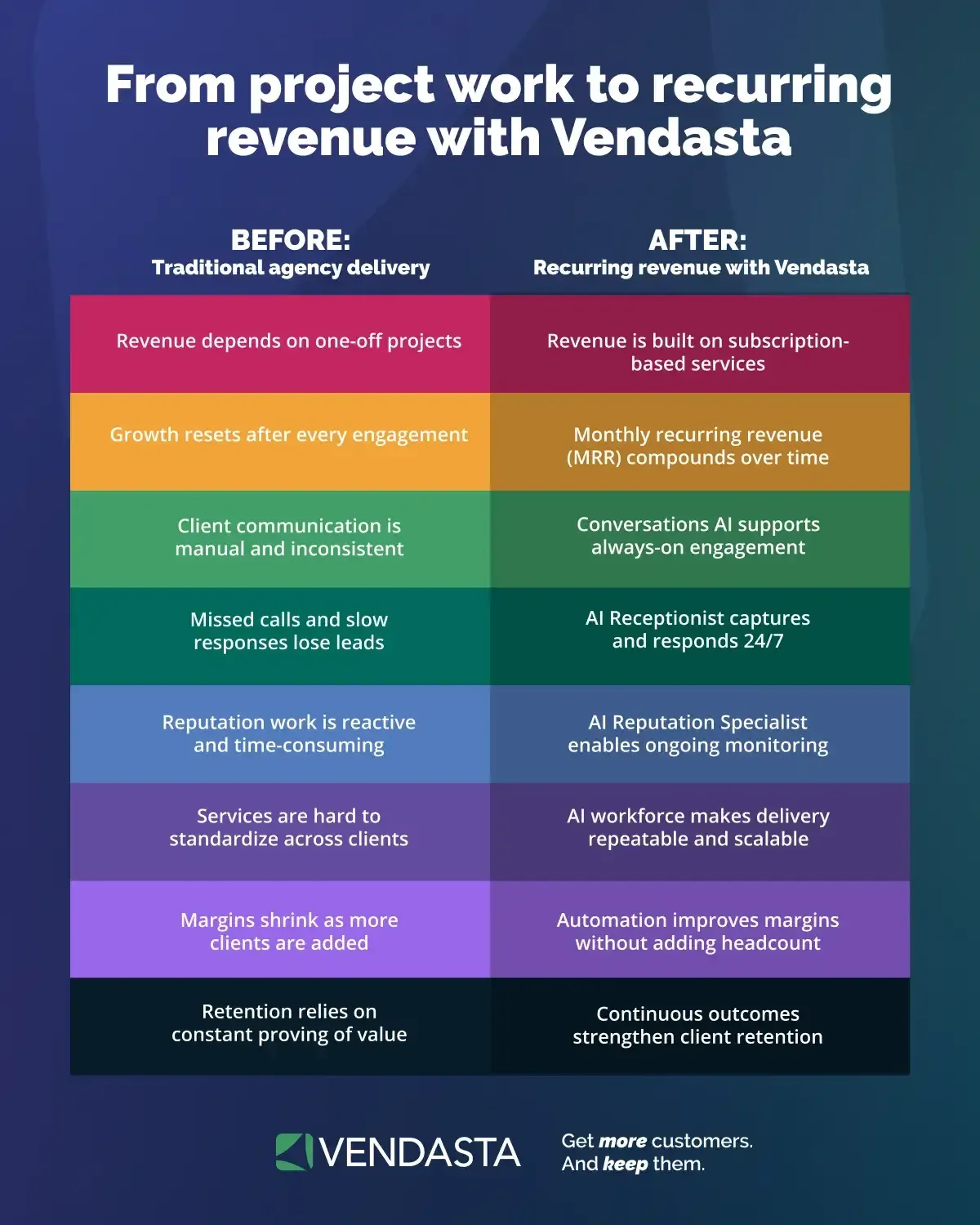
Building Recurring Revenue (Retainers)
The most stressful part of consulting is not the work. It is wondering where next month's work comes from. Retainers fix that - but only if you design them as an ongoing promise, not a discounted project.
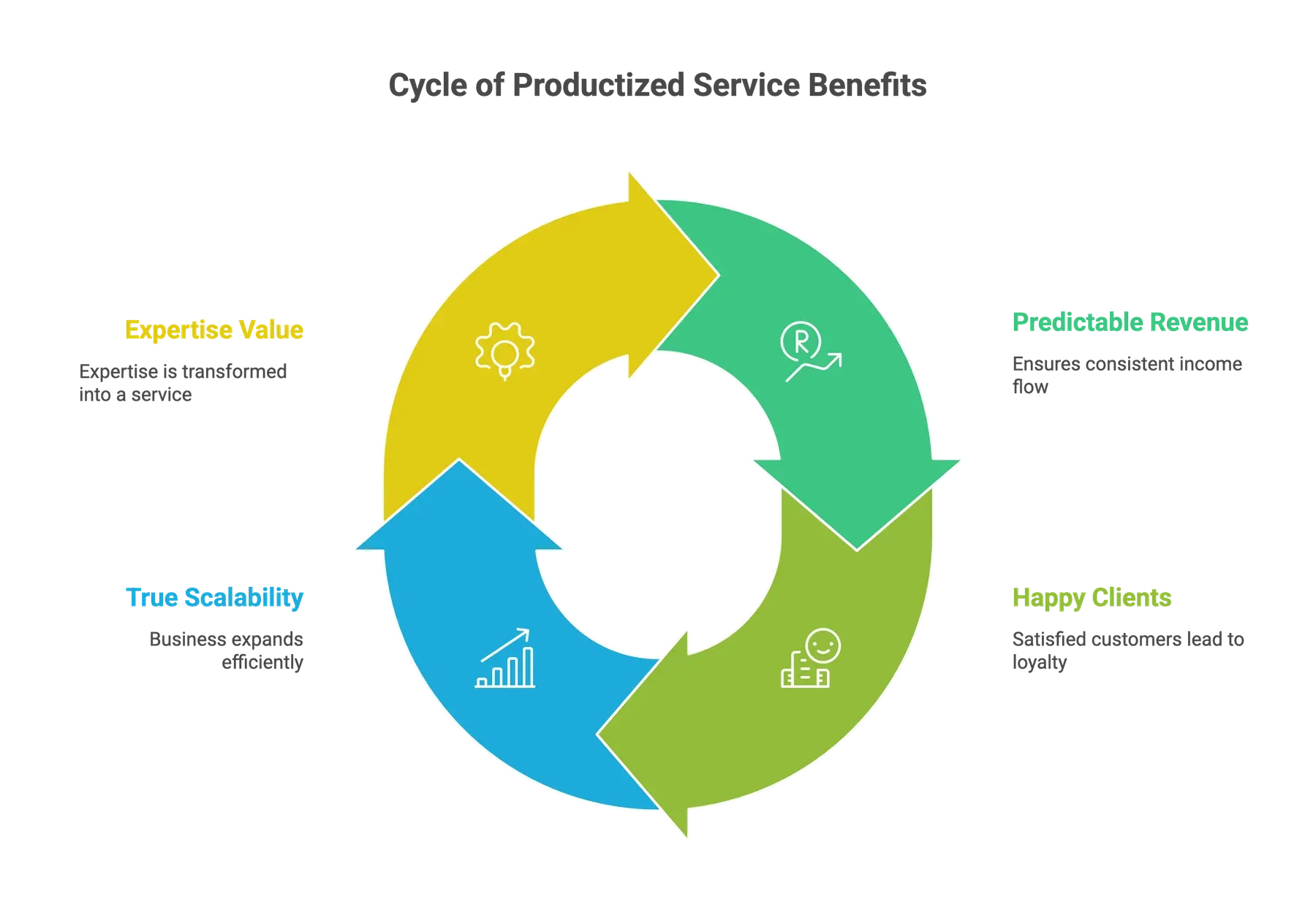
Productizing Your Consulting Services
For years I sold my time and rewrote every proposal from scratch. The day I put a price on one repeatable result, my consulting practice finally started to behave like a business.
Comments
No comments yet. Start the conversation.