Stakeholder Management & Communication
Most projects don't fail on the spreadsheet. They fail in the hallway, the inbox, and the meeting nobody wanted to have.
TL;DR
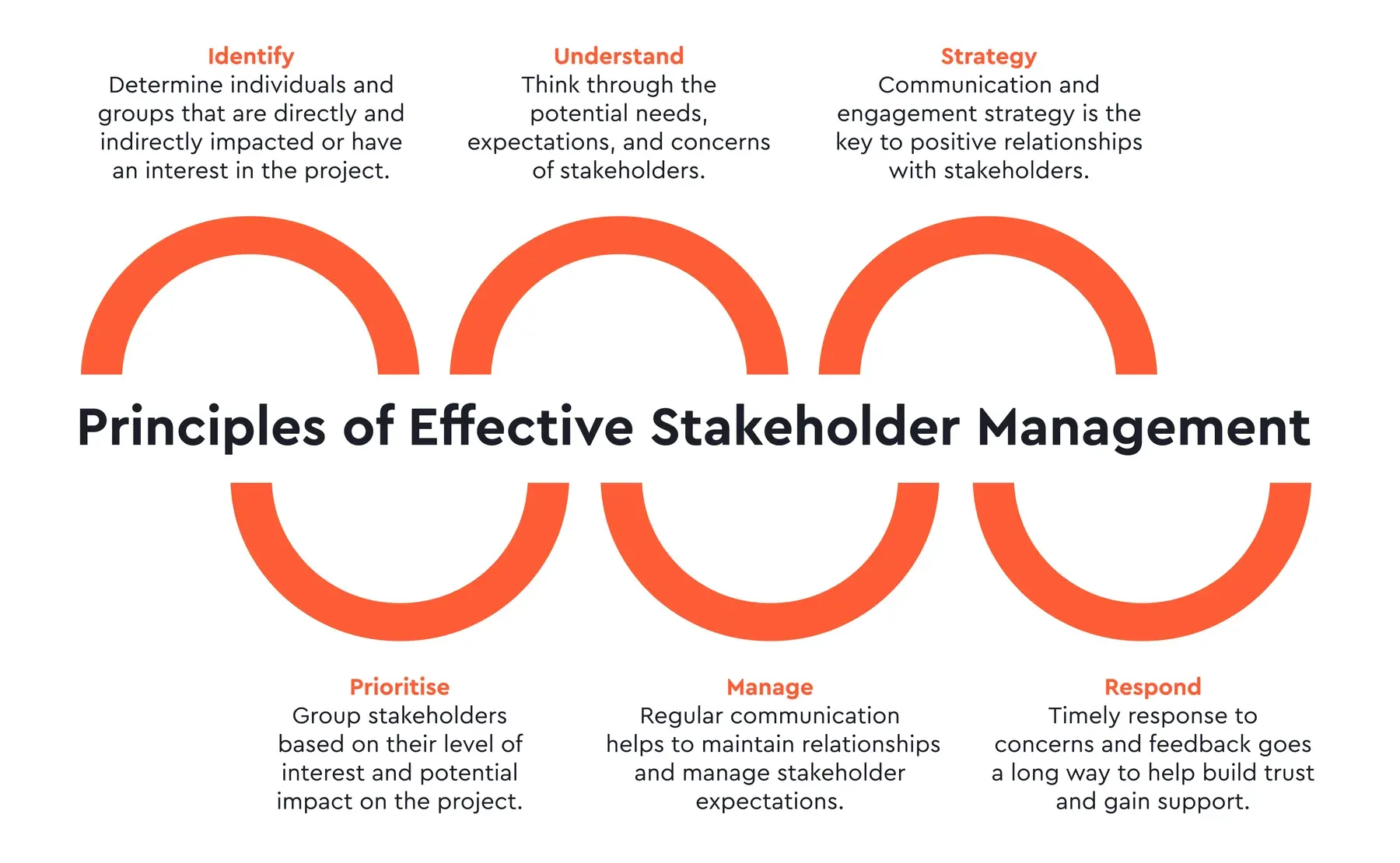
Projects rarely fail on the spreadsheet; they fail in hallways, inboxes and avoided meetings. Delivering exactly what was written doesn't help if stakeholders were blindsided. Map who matters, keep information flowing, influence people you can't direct, make communication a system and watch for quiet signals of trouble.
On this page
Ask a roomful of project managers why their last troubled project went sideways, and almost nobody says “the math was wrong.” They say a sponsor changed their mind, a department dug in its heels, an executive felt blindsided, two teams each assumed the other owned a task. The work itself was usually fine. The people around the work were not managed. After enough projects you stop seeing stakeholder management as the soft, optional part of the job and start seeing it as the job.
The expensive illusion of being right
There is a particular kind of failure that stings more than the rest: the project that delivers exactly what was written, on time and on budget, and is judged a disappointment anyway. The scope document said sedan; you built an excellent sedan; the sponsor had been quietly picturing a sports car for six months. You were right. You also lost.
This happens because expectations are not stored in documents. They live in people’s heads, and they drift. The conversation you had at kickoff is not the conversation your sponsor remembers having. Both of you are sincere, and both of you are partly wrong, because memory is a story we keep editing. The only defense is to make expectations explicit, write them down, read them back, and refresh them whenever the project touches someone’s world. Most late-stage stakeholder conflict is not a disagreement about the present. It is a collision between two different memories of the past.
Information that doesn’t flow turns into risk
The Project Management Institute has spent years pointing at the same culprit: ineffective communication sits near the top of nearly every list of why projects fail. That can sound like a platitude until you trace the mechanism. Every gap between what a person needs to know and what they actually know is a place where the project can quietly go wrong. The finance director who was not consulted approves the wrong number. The user group that was not warned revolts at go-live. The sponsor who heard the bad news late assumes you were hiding it.
That last point deserves emphasis, because it is counterintuitive. Stakeholders forgive bad news. What they do not forgive is late bad news, because lateness reads as either incompetence or concealment, and both are fatal to trust. The instinct to wait until you have a solution before raising a problem is precisely backwards. Raise it early, while it is still cheap and while raising it still looks like control rather than confession.
You cannot order most of the people you depend on
Here is the structural fact that makes this work hard: the people who determine whether your project succeeds mostly do not report to you. You cannot command the busy expert, the peer team, the external vendor, or the sponsor. You have to earn their cooperation, project after project, with no formal authority to fall back on.
That is why the real toolkit is influence, not control. Reciprocity: be useful first. Consistency: get small public commitments. Social proof: “the other regions have already signed off.” Borrowed authority, genuine liking, honest scarcity. But none of these levers does anything without the foundation beneath them, which is trust, and trust is built in small, dull, repeated deposits. Do what you said, when you said. Surface bad news early. Give credit away and absorb blame. Be the same person in the meeting and in the corridor. Stakeholders do not need you to be brilliant. They need you to be predictable and honest, and a project manager whose word is reliable can deliver hard messages all day without spending down their credibility.
Make the relationship a system, not a mood
The trap that catches good communicators is intermittency. They are warm and present at kickoff, then go quiet under delivery pressure, then resurface in a panic. That pattern teaches stakeholders that your attention is unreliable, which is worse than no attention at all. The fix is rhythm. A boring weekly status note that always arrives says “this is under control” more convincingly than a brilliant update that arrives whenever you happen to think of it. Cadence is reassurance. Protect it in your busiest weeks, because those are exactly the weeks people most want to hear from you.
The same discipline applies to the artifacts. A stakeholder register, a power/interest grid, a RACI matrix, a communication plan: these are not bureaucracy for its own sake. Each one exists to change how you spend the next week of attention. The register names who matters. The grid tells you where to spend effort. The RACI ends the silent argument about who owns what. The communication plan stops you from defaulting, under pressure, to communicating only with whoever shouts loudest. If an artifact never changes a decision, throw it away; it has become astrology.
The quiet signals
The best stakeholder managers develop an ear for what is not being said. Attendance at your meeting drifts down. Replies come slower. A sponsor who used to forward your updates goes silent. These are the early tremors of disengagement, and they are visible weeks before anyone says the word “concerned” out loud. Build feedback loops that invite the truth in early: the milestone retrospective, the candid one-to-one, the closing question “what should we keep, stop, and start?” Hearing a problem while it is still cheap is the whole game.
None of this earns headlines. Nobody gets promoted for a status report that was honest about amber, or a meeting that ended ten minutes early because the decision was already made. But at closeout, when the people who mattered look back and say the three words every professional is quietly working toward, that was well run, you will know exactly where they came from. Not the spreadsheet. The hallway, the inbox, and the meetings you ran with care.
Key takeaways 5
- Most project failures are people failures, not math failures.
- Being right isn't enough if stakeholders feel blindsided.
- Information that doesn't flow becomes project risk.
- You must influence many people you can't direct.
- Build a communication rhythm rather than relying on mood.
Watch & learn

Frequently asked questions
What is stakeholder management?
Stakeholder management is identifying everyone affected by or influencing a project, understanding their interests and keeping them appropriately informed and engaged throughout.
How do you identify key stakeholders?
List everyone affected, map them by influence and interest, and focus communication on high-influence, high-interest people while keeping others informed.
How can I influence stakeholders I don't manage?
Understand their goals, show how the project helps them, build relationships early, share information openly and involve them in decisions that affect them.
Go deeper with the free masterclass
Workshop, PDF handbook and curated resources for “Stakeholder Management & Communication”.
Related articles
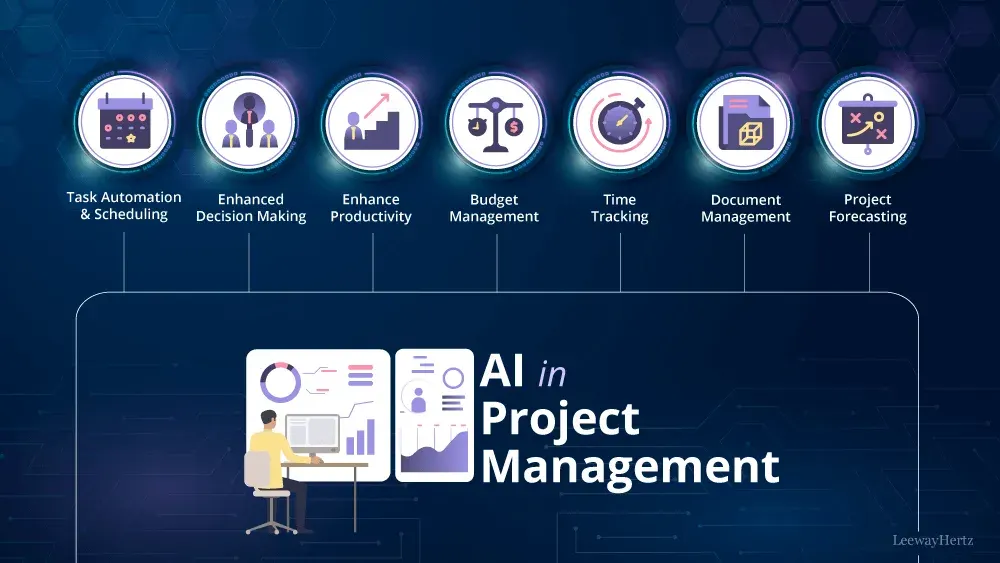
AI Tools for Project Managers
I was skeptical that an AI could help me run a project. A year later it drafts half my paperwork - and I trust it less than ever, in the best possible way.

Discovery & Requirements Gathering
The most expensive code is the code that perfectly solves the wrong problem. Discovery is how you make sure that never happens.
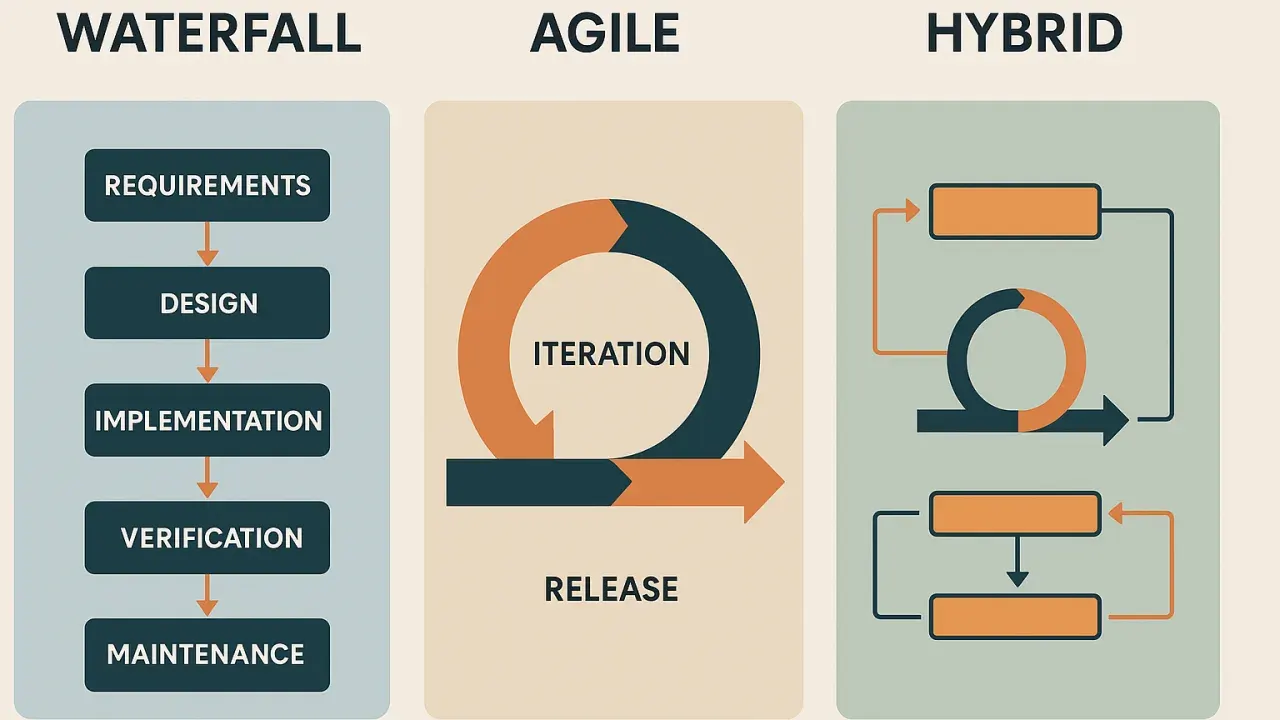
Hybrid Agile + Waterfall Delivery
Most organizations are neither agile nor waterfall. Stop apologizing for it and start designing for it.
Comments
No comments yet. Start the conversation.