Project Management Fundamentals
You did not ask to become a project manager - the project just landed on your desk. Here is the small set of ideas that will carry you through your first one.

TL;DR
Most project managers start by accident: a deadline, a vague goal and a team looking for answers. A few ideas carry you through: define "done" in one sentence, respect the triangle of scope, time and cost, plan just enough, plan for people and risks, choose a way of working and close the project deliberately.
On this page
Somewhere right now, someone is being told, “You’re organized - why don’t you run this?” That is how most project managers actually begin. Not with a certificate, but with a deadline, a half-formed goal, and a team that is suddenly looking to them for answers. If that is you, take a breath. You do not need to memorize a thick methodology to do this well. You need a handful of ideas, applied honestly.
Start by naming the thing
A project is temporary work that produces a unique result. The first useful move is to write, in one plain sentence, what “finished” looks like. “We will launch a redesigned careers page by March 31 so candidates can apply on their phones.” If you cannot write that sentence, you are not ready to plan - and that is a finding, not a failure. Go back to whoever asked for the work and pin it down. A clear destination is worth more than any tool.
While you are at it, name your sponsor: the person who wants this and can approve decisions. Without one, you have effort but no authority, and effort without authority quietly stalls.
Respect the triangle
Three forces shape every project: scope (the work), time (the schedule), and cost (the budget, including people). They are connected. You cannot add scope without spending more time or money, and you cannot cut the budget without trimming scope or moving the date. This is the triple constraint, and it is the most useful negotiating tool you have.
When someone asks for “just one more thing” late in the game, you no longer have to choose between being a pushover and being difficult. You can be clear instead: “We can add that if we move the launch a week, drop a lower-priority feature, or bring in extra help. Which would you prefer?” That single reframe - turning demands into trade-offs - will save you more grief than any other habit.
Plan just enough
New project managers tend to make one of two mistakes: no plan at all, or a plan so elaborate that nobody reads it. Aim for the middle. Break the work into pieces small enough to estimate and assign - this is a work breakdown structure, though you do not need to call it that. Put the pieces in order, give each one an owner and a rough duration, and mark a few milestones: the moments that signal real progress, like “content approved” or “site live.”
Keep it to a page if you can. A one-page plan that people actually look at beats a beautiful document that lives, unread, in a shared drive.
Plan for people and for trouble
Two things sink more projects than bad task lists: ignored people and unmanaged risk.
Stakeholders are everyone who can affect your project or be affected by it. Spend a few minutes sorting them by how much power and interest they have, then communicate accordingly. The handful with high power and high interest deserve your most direct, regular updates. Decide who needs what, how often, and through which channel, and you will dodge the two universal complaints: “I was never told” and “I am drowning in emails.”
Risk is just thinking ahead about what could go wrong. Spend twenty minutes with your team listing the threats, rate each one by how likely and how damaging it is, and decide what to do about the serious ones - avoid them, reduce them, hand them off, or accept them with a backup plan. A risk you have named out loud is no longer an ambush.
Choose how you will work
Not every project should be run the same way. If the requirements are clear and stable, a predictive plan - decide everything up front, then execute in order - works well. If the requirements are fuzzy or likely to change, an agile approach delivers in small slices, gathers feedback, and adjusts. Most real projects borrow from both. The goal is not to be a purist; it is to pick the lightest approach that still keeps you in control.
Finish on purpose
A project is not done when the work stops - it is done when the result is accepted and the loose ends are tied. Agree on a definition of “done” before you start, so the finish line is not a matter of opinion. When you reach it, confirm acceptance with your sponsor, hand the work over, and hold a short look-back: what went well, what you would change. Those notes are a gift to the next version of you.
You will not get everything right on your first project. No one does. But name the goal, respect the triangle, plan just enough, mind your people and your risks, and close cleanly - and you will already be doing the job better than most. The accidental project manager has a habit of becoming a very good one.
Key takeaways 5
- Write in one sentence what "finished" looks like.
- Scope, time and cost trade off: change one and the others move.
- Plan just enough to guide work, then adapt.
- Plan for stakeholders, communication and risks.
- Close projects deliberately and capture lessons learned.
Watch & learn

Frequently asked questions
What are the basics of project management?
Defining the goal and scope, planning tasks and schedule, managing budget and resources, communicating with stakeholders, managing risks and closing the project with lessons learned.
What is the project management triangle?
It is the relationship between scope, time and cost: changing one constraint affects the others, and all three influence quality.
Do I need a certification to manage projects?
No. Many project managers start without one. Certifications such as PMP or PRINCE2 can help later by structuring knowledge and signaling experience.
Go deeper with the free masterclass
Workshop, PDF handbook and curated resources for “Project Management Fundamentals”.
Related articles
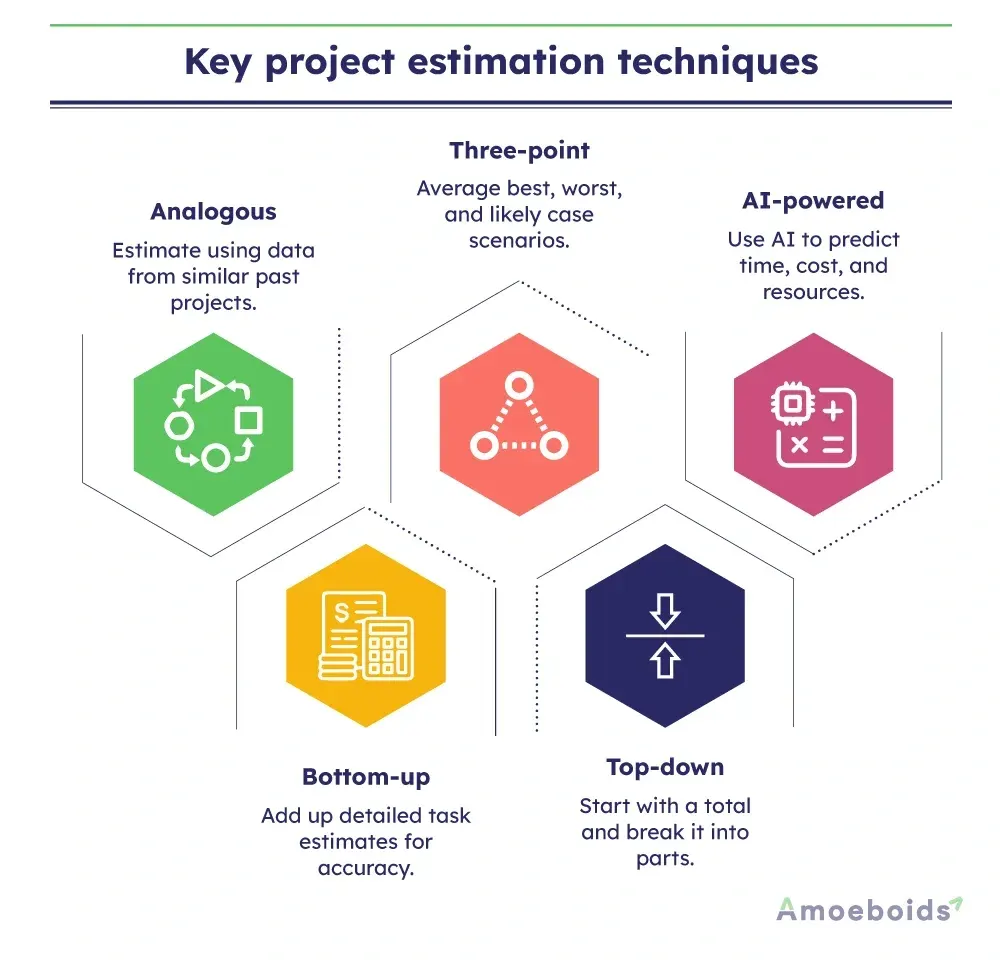
Estimation & Planning Techniques
Estimates fail for predictable reasons. Here is how to forecast work as a range, plan with honest buffers, and update as you learn.
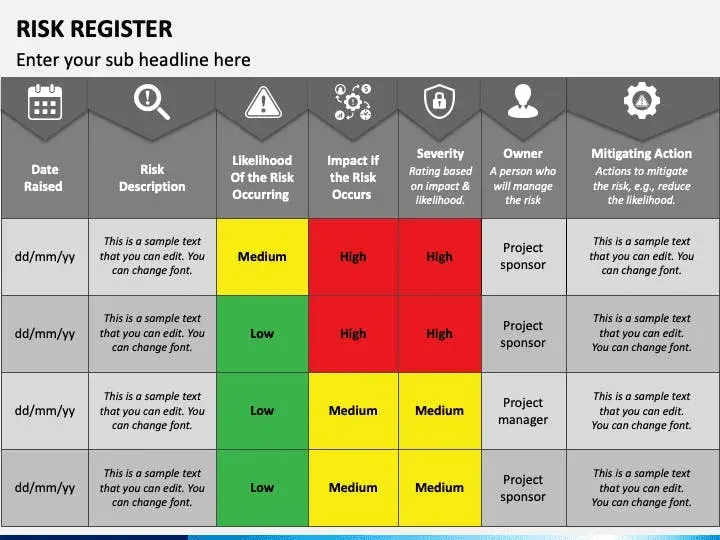
Risk Management for Projects
Most project failures are not bolts from the blue - they are knowable risks that nobody wrote down, scored, or owned. Here is how mature teams turn uncertainty into a managed list.
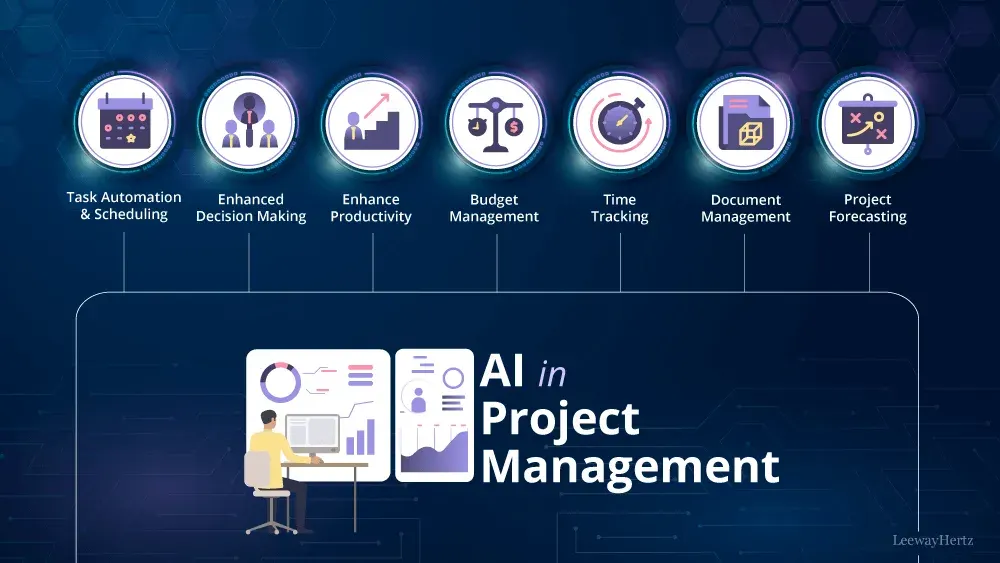
AI Tools for Project Managers
I was skeptical that an AI could help me run a project. A year later it drafts half my paperwork - and I trust it less than ever, in the best possible way.
Comments
No comments yet. Start the conversation.