Project Budgeting & Cost Control
Why the question "how much have we spent?" is the least useful thing you can ask about a project budget - and what to ask instead.
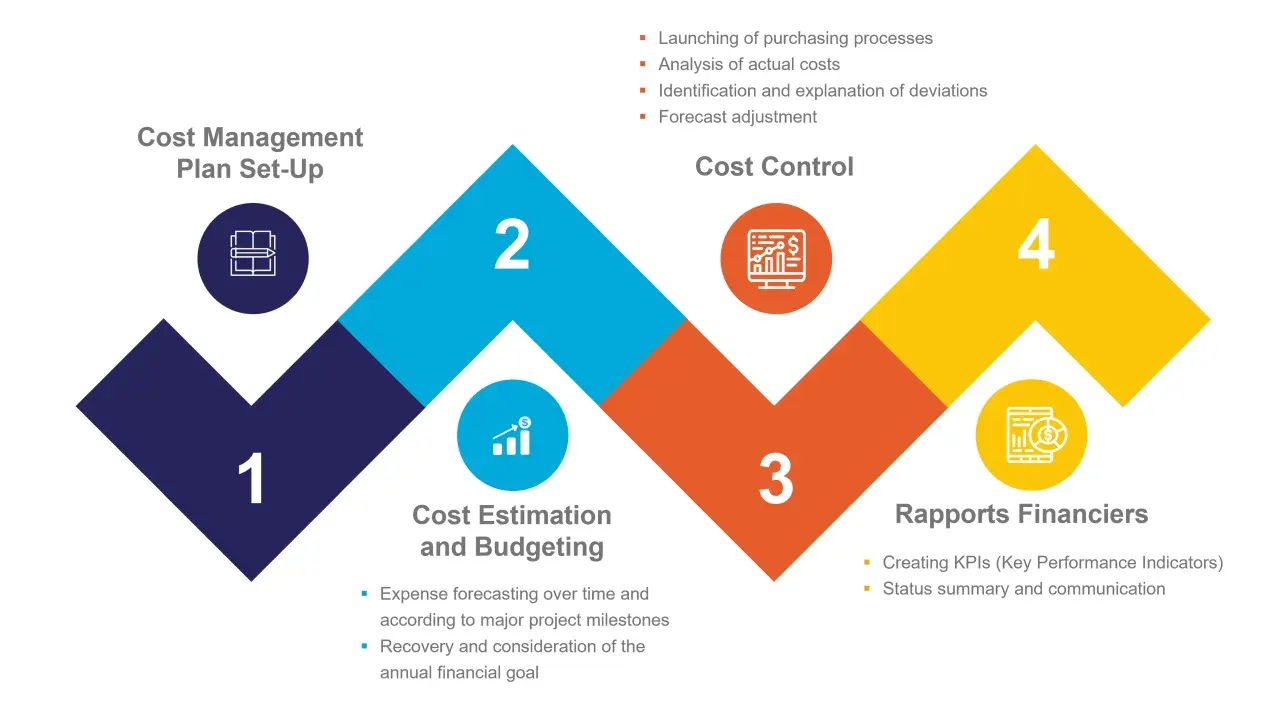
TL;DR
"How much have we spent?" is the least useful budget question, because spending isn't progress. Two projects with identical spend can be on very different paths. Earned value management compares planned value, earned value and actual cost to reveal schedule and cost performance early.
On this page
The Report That Tells You Nothing
Every project I have inherited mid-flight arrived with a cost report, and almost every one of those reports answered a single question: how much have we spent? It is a comforting number because it is easy to produce - you copy it from the accounting system. It is also nearly useless, because spend on its own tells you nothing about whether the project is in trouble.
Consider two projects, each with a \$500,000 budget, each three months in, each having spent \$250,000 - exactly half. One is on track to finish on budget. The other is heading for a \$150,000 overrun. The spend report is identical for both. The difference is invisible until you ask the question that actually matters: not “how much have we spent?” but “how much have we accomplished for what we spent?”
That second question is the whole of cost control, and answering it well is the difference between project managers who deliver on budget and those who are perpetually surprised.
Spending Is Not Progress
The trap is treating money out the door as a proxy for work done. It is not. You can burn half your budget and have almost nothing to show for it - rework, false starts, an under-specified interface that had to be rebuilt twice. Conversely, a frugal team can be quietly ahead.
The fix is a concept that sounds abstract but is brutally practical: earned value. You earn value not by spending money but by completing work, measured at the rate you budgeted for it. If a \$100,000 work package is genuinely 40% complete, you have earned \$100,000 times 40%, or \$40,000 - no matter whether you spent \$30,000 or \$60,000 getting there. Lay that earned figure next to what you planned to have done and what you actually spent, and the fog clears instantly.
Take our two identical-looking projects. Both spent \$250,000. But Project A has earned \$250,000 of value (on track), while Project B has earned only \$190,000 - it spent \$250,000 to accomplish \$190,000 of work. That gap is the early warning the spend report could never show.
The Three Numbers That Cut Through
You need exactly three measurements, all in the same currency, all as of the same date. What you planned to have done (Planned Value). What you actually accomplished, valued at budget rates (Earned Value). And what you actually spent (Actual Cost). From these three, the entire diagnostic toolkit falls out with arithmetic any spreadsheet can do.
Divide earned value by actual cost and you get the Cost Performance Index. For Project B: \$190,000 / \$250,000 = 0.76. The team is getting 76 cents of value for every dollar it spends. That single ratio is the most predictive number in project controls, because of an uncomfortable empirical truth: once a project is past roughly the 15-20% mark, its cost performance index tends to settle and rarely improves on its own. A CPI of 0.76 at the quarter mark is not a rough patch you will grow out of. It is, in all probability, the rate at which the rest of the project will run.
Which means you can forecast the ending today. Divide the total budget by that index - \$500,000 / 0.76 - and you get a projected final cost around \$658,000. The \$150,000 overrun that was invisible in the spend report is now a number you can put in front of a sponsor in month three, with the maths to defend it.
Honesty Is a Tooling Problem
Why do so many overruns surface late? Rarely because the project manager is dishonest. Usually because the tooling encouraged the wrong question. If your only instrument measures spend, you genuinely cannot see the overrun coming - and by the time the spend curve crosses the budget line, most of your corrective options have expired. You cannot recover a cost performance index of 0.76 to 1.0 across the back half of a project; the required performance to claw it back is higher than any team running at 0.76 can plausibly deliver.
Earned value changes the conversation from confession to forecast. Instead of “we have a problem” in month six, you say in month three: “at our current performance we will finish about \$150,000 over; here is the root cause, here is what I am doing about it, and here is the one decision I need from you.” Sponsors can work with that. They cannot work with a surprise.
What To Actually Do
You do not need enterprise software to start. You need a baseline that is time-phased rather than a single lump, an honest assessment of percent-complete that resists the temptation to claim optimistically, and the willingness to compute three numbers every reporting cycle. Set thresholds so you investigate the variances that matter and ignore the noise. Re-forecast every cycle, not only when things look bad - a stable, on-track forecast is itself valuable information.
Above all, change the question you lead your status report with. Stop opening with how much you have spent. Open with where the project will land if nothing changes, and what you propose to do about it. The spend number belongs in the report somewhere, but it should never be the headline. The headline is the forecast - and the forecast is the job.
Key takeaways 5
- Spend alone says nothing about project health.
- Compare cost against the work actually completed.
- Planned value, earned value and actual cost are the three key numbers.
- CPI and SPI show cost and schedule performance early.
- Honest progress measurement depends on good tooling and culture.
Watch & learn

Frequently asked questions
What is earned value management?
Earned value management (EVM) measures project performance by comparing planned value (work scheduled), earned value (work completed) and actual cost, to show whether a project is on budget and on schedule.
What is the cost performance index (CPI)?
CPI = earned value ÷ actual cost. A CPI below 1 means you are getting less work done per unit of money than planned, signaling an overrun.
How can I control project costs?
Track progress against the plan, measure earned value, review variances regularly, control scope changes and act early when indicators slip.
Go deeper with the free masterclass
Workshop, PDF handbook and curated resources for “Project Budgeting & Cost Control”.
Related articles
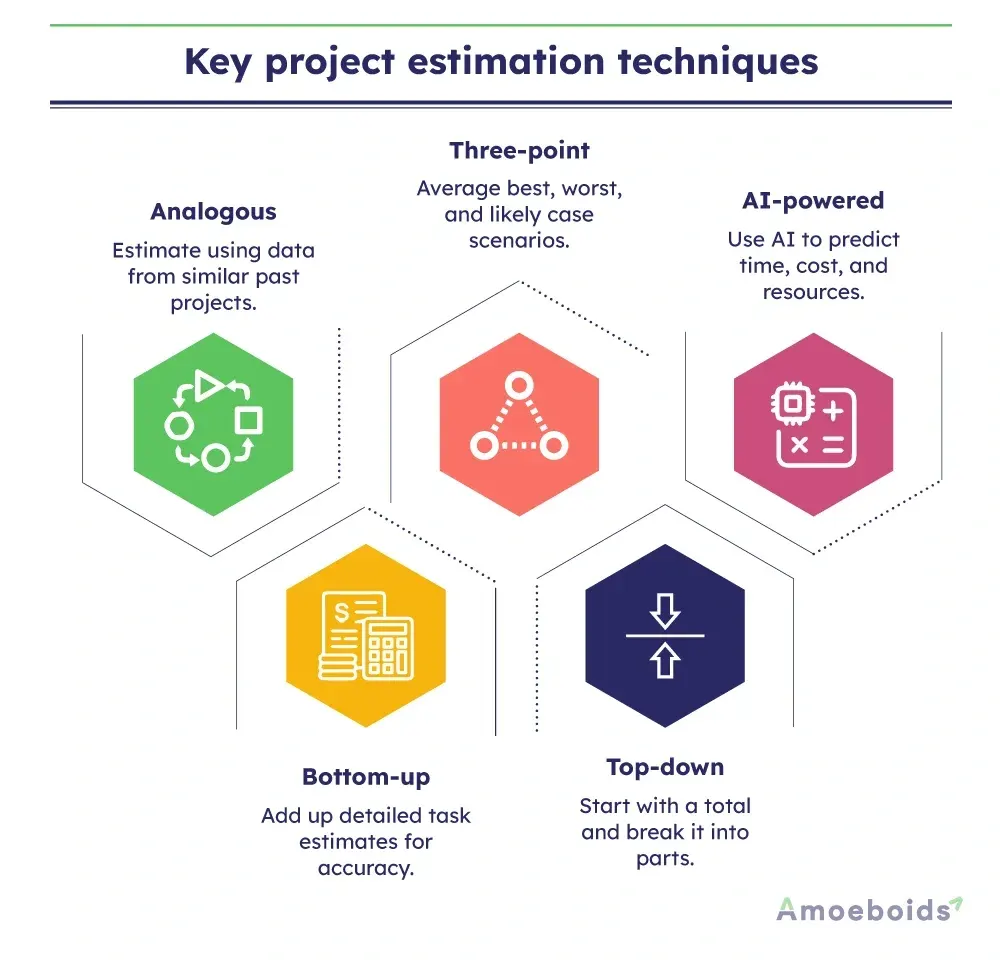
Estimation & Planning Techniques
Estimates fail for predictable reasons. Here is how to forecast work as a range, plan with honest buffers, and update as you learn.
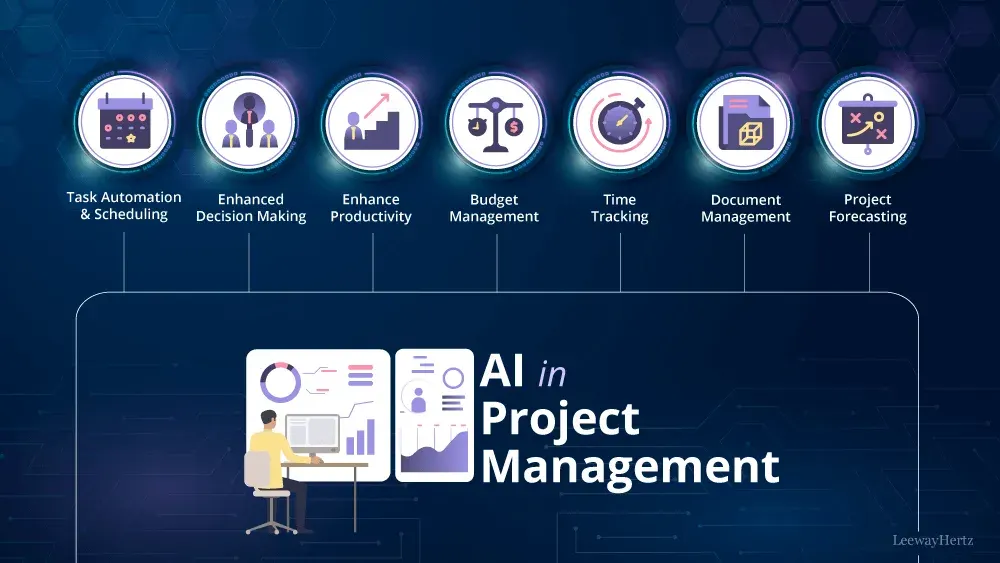
AI Tools for Project Managers
I was skeptical that an AI could help me run a project. A year later it drafts half my paperwork - and I trust it less than ever, in the best possible way.
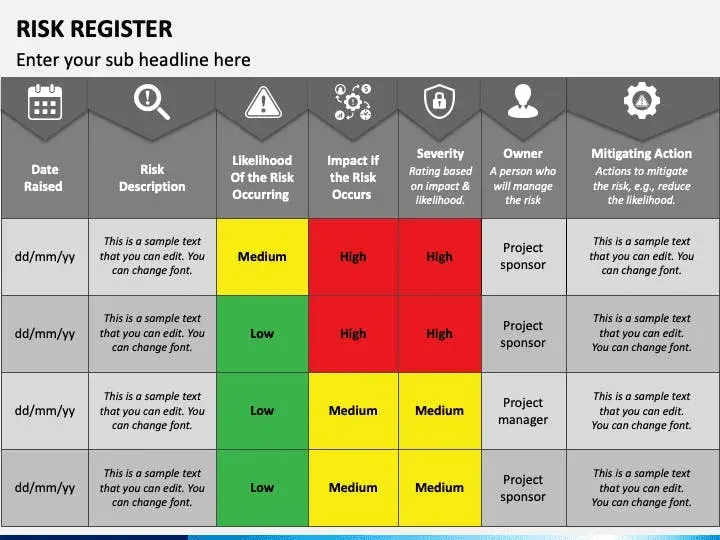
Risk Management for Projects
Most project failures are not bolts from the blue - they are knowable risks that nobody wrote down, scored, or owned. Here is how mature teams turn uncertainty into a managed list.
Comments
No comments yet. Start the conversation.