OT Cybersecurity Essentials
In the plant, a cyber incident is not just lost data -- it is a valve that won't close and a line that won't stop. Here is why OT security belongs to safety engineers as much as to IT.
TL;DR
In operational technology, a cyber incident means a valve that won't close or a line that won't stop, not just lost data. OT security reverses IT's priorities, putting safety and availability first, must work with legacy, rarely patched systems, and belongs to safety engineers as much as to IT.
On this page
When most people hear “cybersecurity,” they picture stolen passwords, leaked spreadsheets, and ransom notes on office laptops. That picture is fine for the front office. It is dangerously incomplete on the plant floor.
Operational technology – the controllers, drives, sensors, and safety systems that run physical processes – does not just hold information. It moves the world. It opens valves, spins motors, heats vessels, and decides when a machine should stop before it hurts someone. When you secure that kind of system, you are not only protecting data. You are protecting people and the physical process they depend on. That single shift in framing changes almost everything about how you do the job.
The priorities are upside down
IT security is usually taught with the CIA triad: confidentiality, integrity, availability, in that order. Keep secrets secret first, keep data correct second, keep systems running third. For email and databases, that ranking makes sense.
In OT the ranking flips. Safety comes first, then availability, then integrity, and confidentiality comes last. Some people call it the AIC inversion. The reasoning is blunt: a leaked production report is embarrassing, but a turbine that trips, a tank that overpressures, or a conveyor that lurches while a technician is reaching into it can injure or kill. The worst-case outcome is not a headline about a data breach. It is an ambulance.
Once you accept that ordering, a lot of standard IT advice has to be re-examined. “Patch immediately” assumes you can reboot. “Scan the network” assumes the devices can tolerate it. “Encrypt everything” assumes confidentiality is the top concern. None of those assumptions hold automatically in a plant.
Why the plant is different
Three realities make OT its own discipline.
First, lifecycles are long. An office laptop is replaced every few years. A controller may run for two decades, often on an operating system the vendor stopped supporting long ago. You inherit equipment older than some of the engineers maintaining it.
Second, there are no easy patch windows. Many processes run continuously. Rebooting a controller can halt production or trip a safety function, and a patch that has not been validated against your exact configuration can break the process outright. Known vulnerabilities can sit unpatched for months, not from negligence, but because the cure may be more disruptive than the disease.
Third, the protocols were built for reliability, not security. Many industrial protocols carry no authentication or encryption at all. They assume they are running on a trusted, isolated network. So the security has to come from protecting the network around them.
The incidents that proved the point
You do not have to imagine the consequences. A short, sobering history makes the case.
In 2010, Stuxnet showed that malware could cross supposedly air-gapped boundaries and cause physical damage to industrial equipment. In December 2015, and again in December 2016, attackers reached into Ukrainian power utilities and cut electricity to large numbers of people; operators recovered in part by falling back to manual control. In 2017, the TRITON malware went after the safety instrumented system at a petrochemical plant – the very layer meant to prevent disaster – and a fault tripped the plant to a safe state, exposing the intrusion.
Then came Colonial Pipeline in May 2021. This one is the clearest lesson of all. The ransomware hit the company’s IT and billing systems, not the pipeline controls. Yet the operator still shut the pipeline down, because it could not bill reliably and could not be sure how far the intrusion had spread. The operational side did not have to be breached for operations to stop. The tight coupling between IT and OT was itself the vulnerability.
What this means for you
If OT security is a safety problem, then it cannot be outsourced entirely to the IT department. The people who understand how the process can hurt someone – the control and safety engineers – have to be at the table.
The good news is that the most powerful defenses are not exotic. Know every asset on your network, because you cannot protect what you cannot see. Segment ruthlessly: put a DMZ between business and operations, and break the plant into zones connected only by controlled, default-deny conduits. Lock down remote access behind a jump host and multi-factor authentication, because that is the door attackers reach for most. Use named accounts and least privilege. Back up your controller logic and actually test a restore. Turn on logging and watch the obvious signals. And always preserve the ability to run the line in manual.
Frameworks like IEC 62443 and the freely available NIST SP 800-82 organize these ideas into a program, with security levels and clear roles for owners, integrators, and suppliers. They are worth growing into. But you can start on Monday with a spreadsheet and a map of your network.
None of the headline attacks required magic at every step. They exploited missing fundamentals. Treat OT security as the safety problem it is, get the basics right, and you raise the bar against all of them at once.
Key takeaways 5
- OT security protects people and physical processes, not just data.
- Priorities flip: availability and safety come before confidentiality.
- Legacy controllers, long lifecycles and rare patching make OT different.
- Incidents like Stuxnet and Triton proved the physical risk.
- Segmentation, asset inventory and safety-minded teams are the foundation.
Watch & learn

Frequently asked questions
What is OT cybersecurity?
OT cybersecurity protects operational technology, such as PLCs, SCADA, DCS and safety systems, that controls physical industrial processes, from cyber threats that could disrupt operations or cause harm.
How is OT security different from IT security?
IT security prioritizes confidentiality; OT prioritizes safety and availability. OT systems often run for decades, can't be patched or rebooted easily and use industrial protocols without built-in security.
What standard covers industrial cybersecurity?
IEC 62443 is the main international series of standards for securing industrial automation and control systems.
Go deeper with the free masterclass
Workshop, PDF handbook and curated resources for “OT Cybersecurity Essentials”.
Related articles
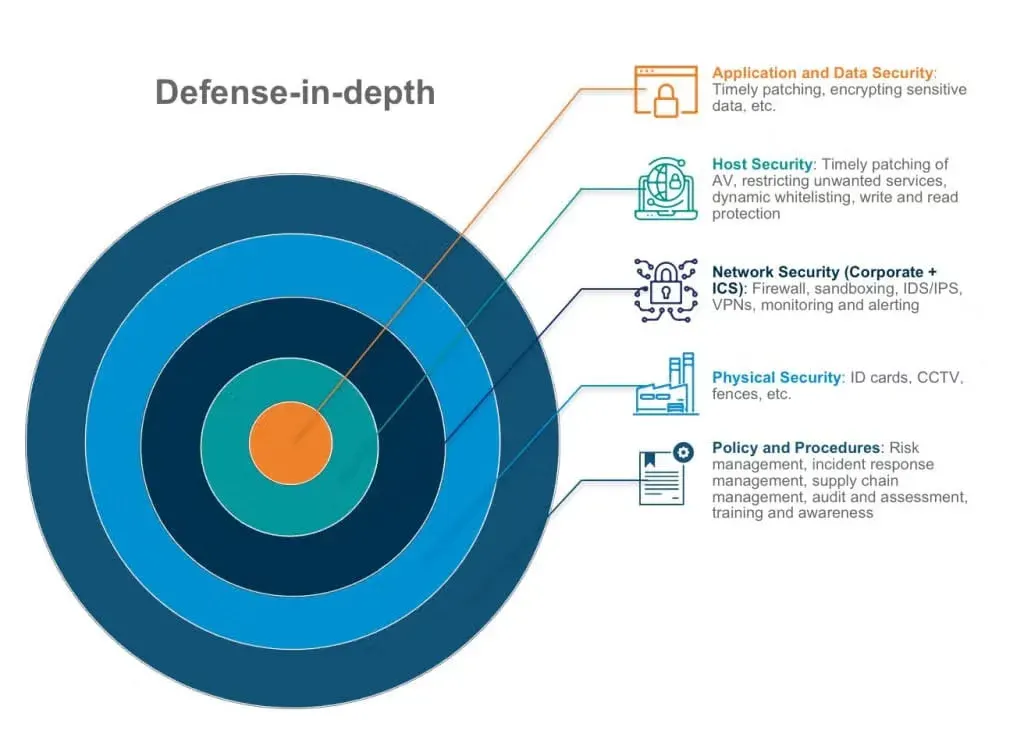
Securing Industrial Control Systems: Deep Dive
Defending industrial control systems is not IT security with a hard hat - it is a different discipline where availability and safety outrank everything, and visibility beats patching.
Cybersecurity Fundamentals: CIA Triad & Threats
You do not need to be a hacker to stay safe online, you just need to understand three ideas and a handful of habits.
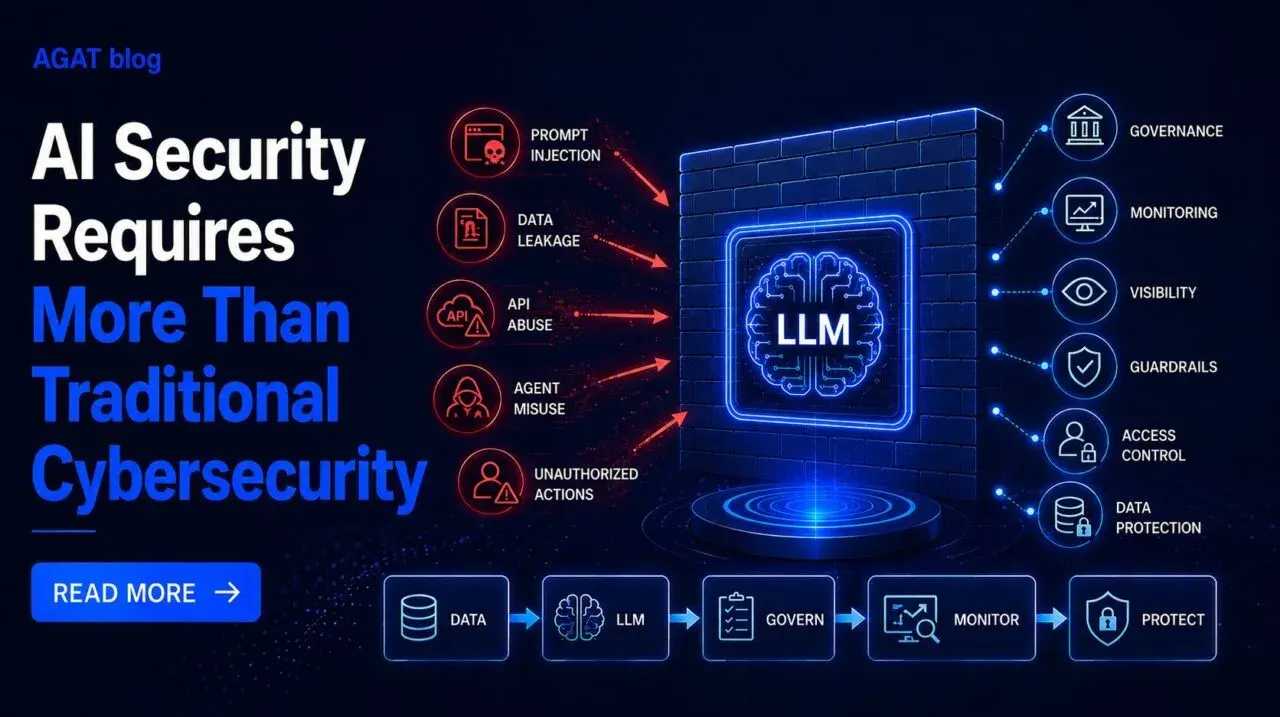
AI & LLM Security: Prompt Injection and Beyond
Large language models broke a rule software security had relied on for decades. Here is what that means for the systems we are all rushing to build.
Comments
No comments yet. Start the conversation.