Modern IT & Desktop Support Essentials
Anyone can learn ipconfig. The technicians who get promoted are the ones who learned something harder first.

TL;DR
Anyone can learn ipconfig; the skill that makes an IT support career is making frustrated people feel understood. Empathy, clear communication and calm troubleshooting carry you, while technical skills still matter: a structured method, documentation and continuous learning.
On this page
When people picture an IT support job, they picture a person who knows the commands. Someone who can rattle off the fix for a stuck printer, reset a password in their sleep, and make Wi-Fi behave. Those skills matter, and you will build them faster than you expect. But after years around help desks, here is the uncomfortable truth: the technical part is the easy part. The skill that actually makes or breaks a support career is the one nobody puts on a resume.
It is the ability to make a frustrated person feel understood.
The moment that defines the job
Think about when someone contacts IT. They are almost never having a good day. Their laptop died before a deadline, their email stopped during a client call, or they have been staring at an error message that may as well be written in another language. They feel stuck, a little embarrassed, and worried the problem is somehow their fault.
Into that moment walks you. What happens in the next thirty seconds shapes everything. If you lead with jargon and a faint air of “why did you do that,” you have lost them, even if you fix the machine perfectly. If you lead with “that sounds really frustrating, let’s get you sorted,” you have already done half the job. The repair is technical. The relief is human, and the human part is what they remember.
Why empathy beats expertise
A fix that works but leaves the user feeling stupid is a failure in disguise. That person will hesitate to call next time, will try risky workarounds on their own, and will quietly tell colleagues that IT makes them feel small. Multiply that across an organization and you have a support team nobody trusts, no matter how skilled it is.
Now flip it. A technician who listens, explains in plain language, and follows through builds something the org chart cannot measure: trust. Users bring problems early, while they are still small. They follow advice. They forgive the occasional slow fix because they know you are honest with them. That trust is what turns a competent technician into the one whose name people request.
The skills that actually carry you
If the best IT skill is not technical, what is it, concretely? A few habits do most of the work.
- Listen all the way through. Let the user finish before you start solving. Then repeat the problem back in your own words so they know you heard it.
- Translate, do not lecture. Say “your computer didn’t get an address from the network, so I’m asking it to grab a fresh one,” not a wall of acronyms.
- Manage expectations honestly. “I’ll have an update for you by two o’clock” beats “soon” every time, because uncertainty is what people really hate.
- Close the loop. Tell the user when something is done, even something tiny. Silence reads as neglect.
- Never assign blame. The user is an expert at their job, not at yours. Treat the mistake as the system’s fault, not theirs.
Notice that none of these require a single command. They require attention and a little self-control, which is exactly why they are rare.
But the technical part still matters
To be clear, this is not an argument for charm over competence. You do need to know your tools. You need to work a problem methodically instead of guessing, read what a failed ping is telling you, and write a ticket a colleague can actually follow. Skipping the craft and coasting on a friendly manner produces a different kind of failure, the likeable technician who never quite fixes anything.
The point is about sequence and emphasis. Technical knowledge is the price of entry, learnable from documentation and repetition in a matter of weeks. The human skill is the multiplier. It decides whether all that knowledge lands as help or as friction. Two technicians can apply the identical fix; the one who made the user feel respected while doing it is the one who gets the promotion.
How to practice the hard skill
You can train empathy the same way you train commands. After each interaction, ask yourself one question: would this person be glad to reach me again? Watch how the senior technicians on your team speak to anxious users, and steal the phrases that calm people down. Slow your first response by a beat so you acknowledge the human before the machine. Write your tickets and updates as if the user will read them, because sometimes they will.
The commands will come. Everyone learns ipconfig eventually. The technicians who rise are the ones who figured out, early, that they were never really in the computer business. They were in the people business, and the computers were just where the people happened to need help.
Key takeaways 5
- Technical commands are the easy part of IT support.
- People contacting support are usually stressed; empathy comes first.
- Listen, reassure, explain in plain language and follow up.
- A structured troubleshooting method still matters.
- Practice soft skills as deliberately as technical ones.
Watch & learn
Frequently asked questions
What skills does an IT support technician need?
Technical troubleshooting (hardware, operating systems, networking, accounts) plus communication, empathy, patience, documentation and time management.
Why is empathy important in IT support?
Users usually contact support when something is blocking their work. Showing understanding calms the situation, improves cooperation and makes users trust the fix.
How do I start a career in IT support?
Learn fundamentals through certifications such as CompTIA A+, build a home lab, practice explaining technical issues simply and gain experience through entry-level help desk roles.
Go deeper with the free masterclass
Workshop, PDF handbook and curated resources for “Modern IT & Desktop Support Essentials”.
Related articles
Remote Support Tools & Techniques
Remote support runs on the same software scammers use. What makes you trustworthy is not the tool, but consent, restraint, and a record of what you did.
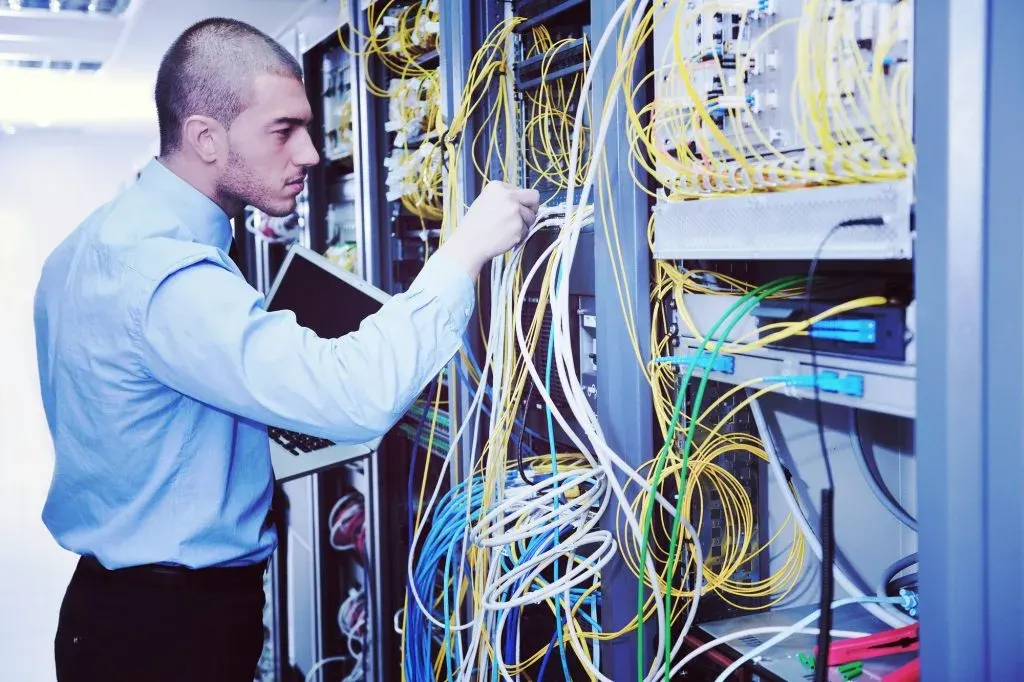
Networking for Support Technicians
The "I can't connect" ticket is the most common one you will ever take, and the easiest to fix badly. Here is the calm, layered method that turns guesswork into a five-minute diagnosis.

AI-Assisted IT Support & Automation
AI will not replace your service desk. It will quietly hand the keys to whoever forgets to keep a human in the room.
Comments
No comments yet. Start the conversation.