Finding Your First Clients
The first paying client feels impossible right up until it isn't. Here is the unglamorous, reliable path from zero to one, without an audience or an ad budget.

TL;DR
The first freelance client is the hardest, but not because of visibility. Start with the trust you already have in your network, get specific enough about who you help to be findable, reach out like a human while building visibility as a long-term investment, and don't freeze when it's time to ask for the work.
On this page
Every new freelancer hits the same wall. You have the skills. You have, maybe, a website and a profile and a logo you fussed over for a weekend. And you have no clients, no idea where the first one will come from, and a quiet fear that the whole thing was a mistake. The wall feels permanent. It is not. The first client is genuinely the hardest one to win, but the reason it is hard is almost never the reason beginners think.
Most people assume the problem is visibility: if only enough strangers saw their work, the clients would come. So they pour their starting energy into the things that feel like marketing, polishing the site, agonizing over the brand, scheduling posts, and wait. The clients do not come, because that is not where early work lives. The first few clients almost always arrive through people, not algorithms. Understanding that one fact changes where you spend your scarce hours, and it is the difference between a long demoralizing silence and a conversation by the end of the week.
Start with the trust you already have
Here is the uncomfortable, liberating truth: you are probably one message away from work you cannot see. Former colleagues, past managers, classmates, people from old projects, friends who run businesses. They already trust you. Trust is the expensive part of any sale, the part that takes strangers months to extend, and with these people it is already paid for. They do not need convincing that you are competent. They only need to know what you now offer and who you help, because right now they have no idea you are available.
The mistake is to stay quiet out of pride, or to send something so vague it cannot be acted on. “Let me know if you hear of anything” is easy to ignore. A specific message is not. The other underused source is the referral, a recommendation from someone who knows your work. It is the highest-quality lead you can get, because it arrives pre-trusted. You do not need past clients to earn one; you need people who know your character and skill, and a clear, specific thing to ask them to pass along.
Get specific enough to be findable
Before you reach out to anyone, you have to fix the thing that quietly sabotages most beginners: vagueness. “I’ll work with anyone who needs help” feels generous and open. It is actually invisible. A prospect cannot tell whether you are right for their problem, and the people who might refer you cannot describe what you do.
The fix is to get almost uncomfortably specific. Pick an ideal client narrow enough that a friend could instantly name someone who fits, not “small businesses” but “independent dental clinics with one or two locations.” Find the overlap of people you can genuinely help, who will actually pay, and whom you enjoy working with. Then translate your skills into an offer, because clients buy outcomes, not skills. “I know spreadsheets” is a skill; “I save accounting teams hours each week by automating their reports” is an offer. Write it in one line, I help [who] achieve [outcome] by [what I do], and say it out loud to real people. When eyes light up and someone says “I know exactly who needs that,” you are close.
Reach out like a human, build visibility like an investment
With a clear who and offer, outreach stops being scary. The outreach that works is short, personal, and focused on the reader, not a copy-pasted brochure about you. Give a specific reason you are writing to this person, say briefly who you help and the outcome, make one small easy ask, and offer a graceful exit. The biggest mistake is asking for too much. “Hire me” is heavy; a short call, a single question, or one introduction is light, and light asks get yeses. Most replies arrive after a polite follow-up, not the first message, so send one or two and then let it rest. None of this is a verdict on you. It is timing and fit.
In parallel, build the inbound assets that pull people toward you over time: a profile that reads like a focused landing page, a little consistent content about your clients’ real problems, a portfolio that frames each piece around a result. Inbound is slow, which is exactly why you start it now instead of when you are desperate. It compounds while you sleep.
Don’t freeze at the finish line
The last gap is the one that catches good people: turning an interested conversation into a paid project. You do not need to be a slick closer. You need to listen before you pitch, asking about their problem and what success looks like, then build your proposal from their own words. Diagnose before you prescribe. State your price plainly, anchored to the value they just described, and then stop talking instead of nervously discounting. Make the next step small and obvious. Hesitation is usually an unanswered question, not a no, so ask what is holding them back and lower the risk rather than the price.
When that first yes finally lands, something shifts. You now have proof, a reference, and a testimonial, and you can ask for the referral that makes the second client easier than the first. The wall that felt permanent turns out to have a door, and it was always the same door: a specific message, to the right person, about a problem you can solve. The only thing left is to send one today. Momentum beats planning, every time.
Key takeaways 5
- Your first clients usually come from people who already trust you.
- A specific niche makes you easier to find and refer.
- Personal outreach works faster than waiting for an audience.
- Treat content and visibility as a long-term investment.
- Make a clear offer and ask for the work.
Watch & learn

Frequently asked questions
How do new freelancers find their first clients?
Most first clients come from existing relationships: former colleagues, employers, friends and community contacts who already trust your work. Tell them clearly what you now offer.
Should a new freelancer niche down?
Usually yes. A specific offer for a specific type of client is easier to explain, easier to refer and helps you stand out from generalists.
Do I need a big audience to get freelance clients?
No. A few well-chosen conversations and referrals bring first clients faster than building an audience, which pays off over a longer time.
Go deeper with the free masterclass
Workshop, PDF handbook and curated resources for “Finding Your First Clients”.
Related articles
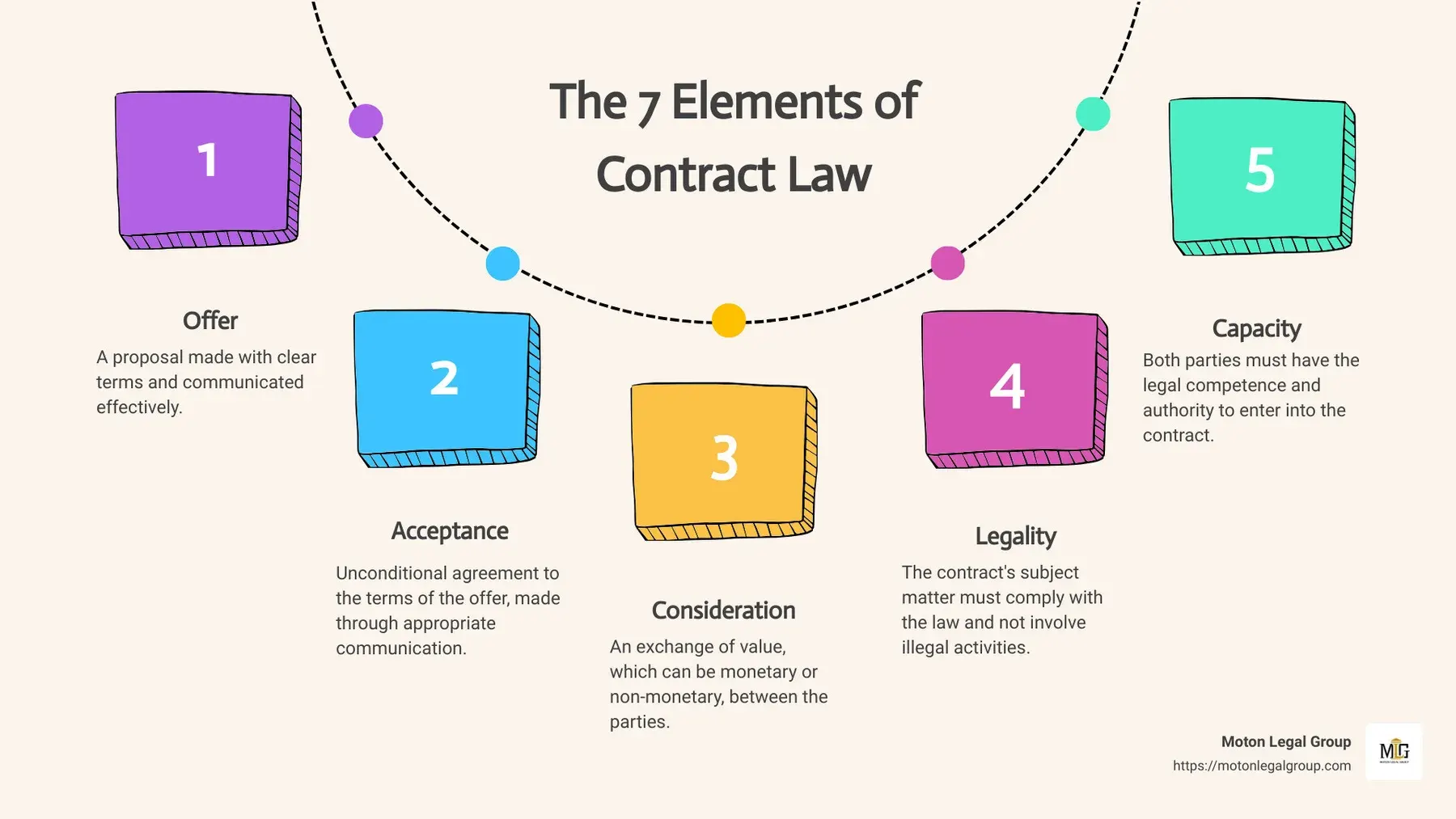
Contracts & Legal Basics for Consultants
The contract is not the thing that ends the friendship. It is the thing that keeps it.
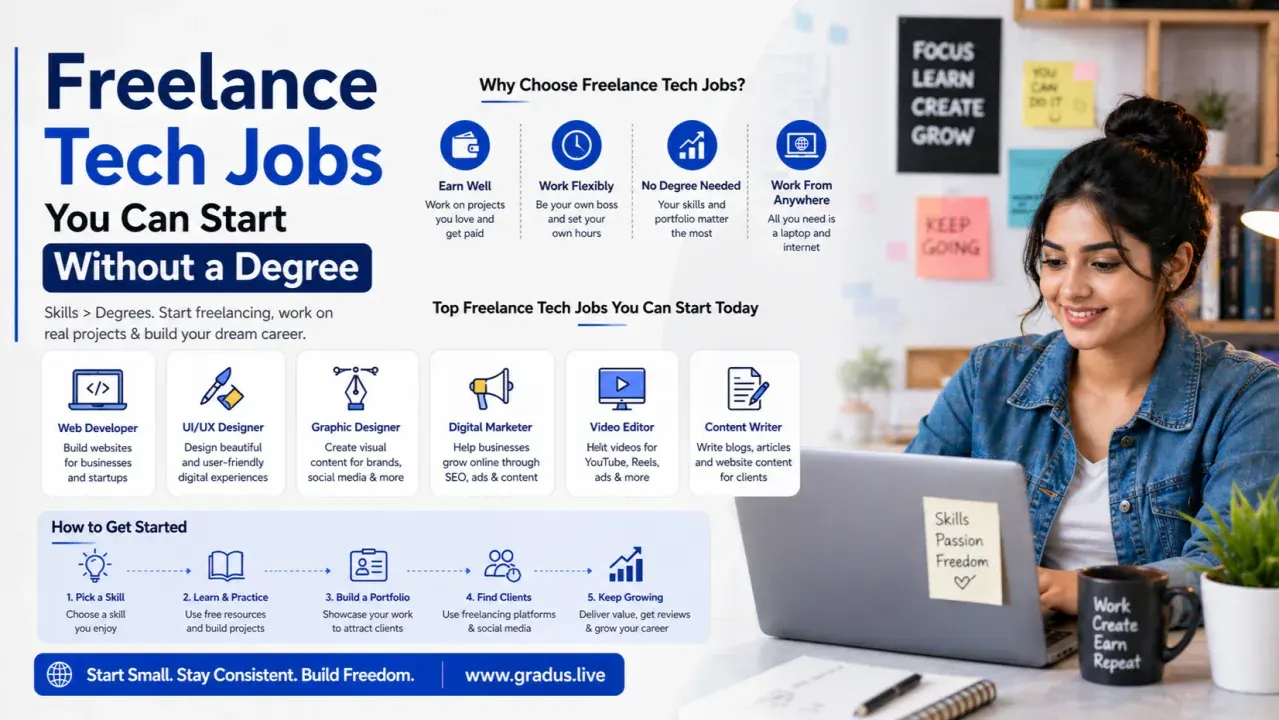
Starting a Freelance Tech Career
Thinking about going independent? Here is an honest, practical map of how to start a freelance tech career without the hype, the regret, or the rookie mistakes.
Running Client Workshops
Why the consultants clients ask for by name are the ones who can run a room — and how facilitation, not expertise, is the skill that compounds.
Comments
No comments yet. Start the conversation.