Edge Hosting & Modern Deployment
The server you used to babysit has dissolved into a global network -- and shipping software has never been calmer. Here is what changed, and how to think about it.
TL;DR
The server you used to babysit has dissolved into a global network. Modern hosting serves static assets from a CDN and runs dynamic code at the edge, close to users, with a git-push workflow and instant preview and rollback. You still need to think about data location, cold starts, limits and lock-in.
On this page
The disappearing server
A decade ago, putting a website online meant adopting a small, needy machine. You named it, patched it, watched its disk fill, and learned its moods. The machine was the deployment. Everything you did – copying files over SSH, restarting a process, renewing a certificate – was an act performed on a server you could point to.
That server is gone. Not literally; physical machines still hum in data centers. But the thing you reason about when you deploy a modern web app is no longer a server. It is a network. Your code and assets are distributed across hundreds of locations, a request is handled near whoever made it, and “the server” has become an implementation detail you rarely think about. This is the quiet revolution of modern hosting, and it changes both how apps perform and how teams feel while shipping them.
Why the unit of deployment kept shrinking
Every hosting era solved the previous one’s worst pain by shrinking the unit you deploy. Bare metal gave you total control and total responsibility. Platform-as-a-service shrank the unit to “an app” – git push and forget the OS, but pay for a process that runs whether anyone visits or not. Serverless shrank it again to “a function,” billed per request, scaling to zero when idle. Each step handed more of the boring, dangerous work – patching, scaling, restarting – to the platform.
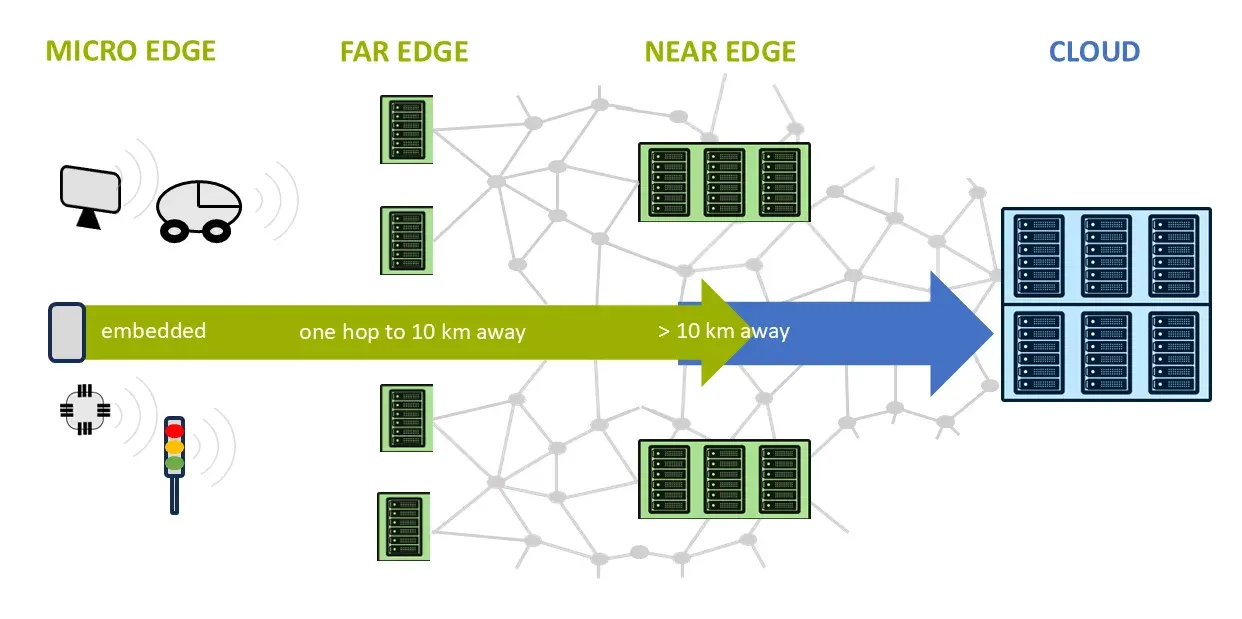
The edge took the final step, but along a different axis. It stopped asking what you deploy and started answering where it runs. Content delivery networks already had points of presence close to users to serve cached files quickly. The edge insight was almost obvious in hindsight: if there is already a computer near every user, run code on it. Suddenly dynamic logic – auth checks, personalization, routing, light data lookups – happens within milliseconds of the person making the request, anywhere on Earth, with no region to choose.
Static-first, dynamic-at-edge
The architecture this enables has a tidy slogan: static-first, dynamic-at-edge. Pre-build everything you can into static HTML and assets, serve them instantly from cache, and reserve live computation for the parts that genuinely vary per user. The result is a site that loads like a brochure and behaves like an application.
This dissolved an old argument. We used to sort projects into “static sites” (fast, cheap, dumb) and “web apps” (dynamic, expensive, complex). Rendering strategies blurred the line – static generation, incremental regeneration, server rendering, and streaming are now choices you make per route, not per project. A product catalog can be a thousand statically generated pages that quietly refresh themselves on a schedule. A dashboard can be a static shell that streams in personalized data. The category war is over; what is left is a menu of techniques.
The real luxury is the workflow
The performance story gets the headlines, but ask working engineers what they love and they will talk about the workflow. Modern platforms made Git the deployment interface. You push a branch and get a live URL built from exactly that code. Open a pull request and a reviewer clicks a preview link to use the actual feature on real infrastructure before it merges – review by clicking, not by imagining.
Underneath, deploys became immutable and atomic. Each release is a fixed snapshot; traffic flips to a new version only when it is completely ready, so users never catch the app half-dressed. And because every old snapshot still exists, rollback is no longer a fire drill – it is re-pointing an alias at a known-good version, done in seconds without a rebuild. The cultural effect is larger than the technical one: when recovery is instant, shipping stops being scary. Teams deploy more often, in smaller increments, precisely because the cost of being wrong collapsed.
What you still have to think about
None of this is free of trade-offs, and pretending otherwise is how people get burned. Data is the stubborn part: compute is everywhere, but data has a home, so the durable pattern is to read at the edge and write toward the origin, letting consistency catch up. Cold starts shrank dramatically on isolate-based runtimes but still bite on heavier ones. Edge runtimes often give you web standards rather than a full operating system, so heavy jobs still belong at an origin. And the convenience comes wrapped in proprietary APIs, which means portability is a design decision: stay close to web standards, wrap the vendor-specific bits behind a thin interface, and answer “how would I leave?” before you adopt each shiny feature. The goal is not zero lock-in – that is a fantasy – but lock-in you chose on purpose and can bound.
How to think about it now
The mental shift is the whole game. Stop picturing a server you operate and start picturing a network you configure. Ask where each piece of work belongs – client, edge, or origin – and push it to the cheapest, closest layer that can do the job. Cache aggressively, because at the edge good architecture and good economics are the same decision: every request served from cache is compute you never ran. Treat observability as something you build into the request path, not something you SSH in to find. And pick a deployment target the way you would hire for a role – against your actual workload, workflow, data needs, and exit cost – not by whichever logo is trending.
The server you used to babysit has become a network you orchestrate. That is more power and less anxiety at the same time, which is a rare trade in this industry. Learn to think in it, and shipping software starts to feel less like defusing a bomb and more like pressing send.
Key takeaways 5
- You now deploy to a network, not to a server you maintain.
- The unit of deployment shrank from servers to containers to functions.
- Static-first with dynamic code at the edge is fast and cheap.
- Git-based previews and instant rollbacks are the real luxury.
- Watch data locality, runtime limits, costs and vendor lock-in.
Watch & learn

Frequently asked questions
What is edge hosting?
Edge hosting serves a website or runs its code from many locations around the world close to users, through a content delivery network, instead of from one central server.
What does static-first mean?
Static-first means pre-building as much of a site as possible into plain files served from a CDN, adding dynamic functions only where needed. It makes sites fast, cheap and resilient.
What are the downsides of edge functions?
Runtime limits, cold starts on some platforms, distance from a central database, debugging across regions and dependence on a specific provider's platform.
Go deeper with the free masterclass
Workshop, PDF handbook and curated resources for “Edge Hosting & Modern Deployment”.
Related articles
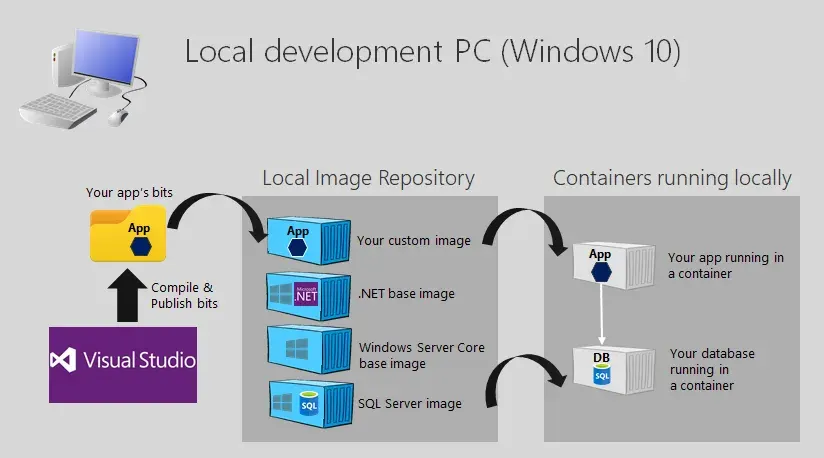
Containerized Web Apps with Docker
Containers did not just make web apps easier to build. They quietly rewrote what it means to host one.
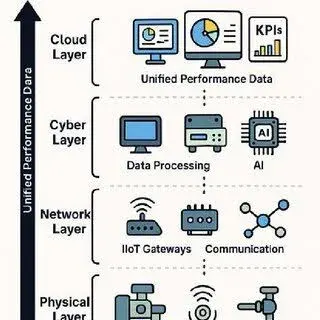
IIoT: Sensor-to-Cloud Data Pipelines
Everyone wants the dashboard and the digital twin. Almost nobody wants to talk about the pipes that feed them - which is exactly why so many Industry 4.0 projects stall.
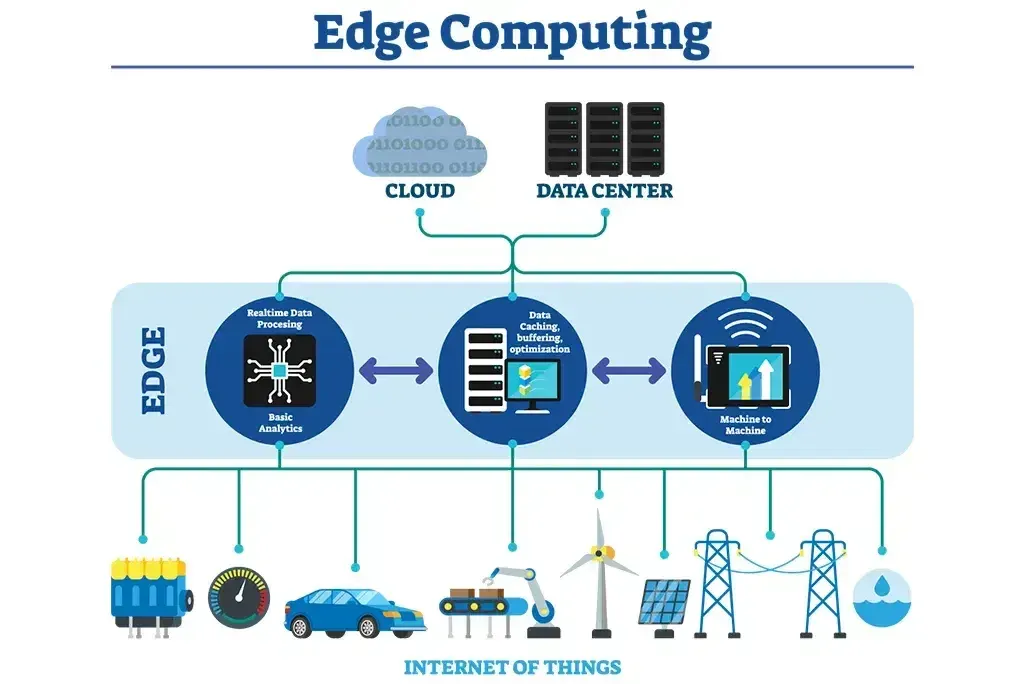
Edge Computing for Smart Manufacturing
The factory cloud dream hit a wall of latency, bandwidth and broken WAN links. The answer was to move the compute back to the machines.
Comments
No comments yet. Start the conversation.