The Meaning Found in the Desert: Saint-Exupéry's "Wind, Sand and Stars"
In one breath
In Wind, Sand and Stars, the author of The Little Prince recalls flying dangerous airmail routes over the Pyrenees, Sahara and Andes, and his near-fatal crash in the Libyan desert. He finds meaning in action, comradeship and responsibility, and in the desert that strips life to its essentials.
On this page
Antoine de Saint-Exupéry’s Wind, Sand and Stars is a luminous memoir by the French aviator and writer best known for The Little Prince, drawn from his years flying the dangerous early airmail routes over the Pyrenees, the Sahara, and the Andes in the 1920s and 1930s. But it is far more than an adventure story. Through his experiences as a pilot, the solitude of the night sky, the camaraderie of his fellow flyers, the lost comrades, and above all his harrowing crash in the Libyan desert and near-death from thirst, Saint-Exupéry reflects with rare beauty and depth on the largest questions: what gives life meaning, what binds human beings together, what we owe one another, and what is truly worth living and dying for. It is a book of action that is really a book of wisdom, a meditation on the meaning of life written, quite literally, in the face of death.
Here is what Wind, Sand and Stars taught me about meaning forged in danger, about human bonds and responsibility, and about what we discover when stripped down to essentials.
Key takeaways
- Meaning is forged through action, danger, and responsibility, not comfort.
- Human bonds, comradeship and love, are what make life worth living.
- The desert strips life to essentials, revealing what truly matters.
- “To be a man is to be responsible”: meaning lies in what we are answerable for.
- A near-death ordeal teaches the preciousness of human connection.
Meaning forged in danger
One of the book’s deepest themes is that genuine meaning and a true sense of being alive are forged not in comfort and safety but through action, danger, struggle, and responsibility. Saint-Exupéry writes about the perilous early days of aviation, when pilots flew fragile planes over mountains and deserts at constant risk of death, with a kind of reverence for what those dangers revealed. The hardship and risk, he suggests, far from being merely things to be avoided, were what called out the deepest qualities in the pilots and gave their lives intensity, purpose, and meaning. It was in facing the storm, in carrying the mail through against the odds, in confronting mortal danger and rising to it, that they became most fully themselves and felt life most vividly. There is a profound truth here, one that runs counter to our comfort-seeking age: that a life devoted only to safety, ease, and the avoidance of all risk and difficulty can become empty, and that meaning, intensity, and growth are often found precisely in struggle, challenge, and the acceptance of responsibility and danger. We come most alive, Saint-Exupéry suggests, not when we are most comfortable but when we are most tested.
Human bonds and responsibility
If danger and action give life intensity, what gives it meaning, for Saint-Exupéry, is above all human connection: comradeship, love, and responsibility for one another. He writes movingly of the deep bonds among the pilots, the loyalty and friendship forged in shared danger, the comrades lost and mourned, and he finds in these bonds something sacred, the very heart of what makes life worth living. “Only the unknown frightens men. But once a man has faced the unknown, that terror becomes the known.” And running through the book is his conviction that to be truly human is to be responsible, to be bound to others by ties of duty, care, and love. In one of his most famous formulations, he writes that “to be a man is, precisely, to be responsible,” to feel that one’s own actions matter to others, that one is answerable, that one is part of something larger than oneself. Meaning, for Saint-Exupéry, is not found in isolated self-fulfilment but in our bonds and obligations to one another, in belonging, contributing, and caring. It is the same truth I have met in so much of the deepest writing on the human condition: that we find ourselves not by turning inward alone, but in connection and responsibility toward others.
Stripped to essentials in the desert
The book’s most powerful passages recount Saint-Exupéry’s crash in the Libyan desert and the days he and his mechanic spent lost, without water, slowly dying of thirst, before their miraculous rescue by a Bedouin. Stripped of everything, facing death in the vast emptiness of the sands, he discovers with piercing clarity what truly matters. All the trivial concerns of ordinary life fall away, and what remains, what he longs for and values above all, is human connection: the faces of those he loves, the bonds of human solidarity, the simple, infinite preciousness of life and of other people. The desert, in its terrible emptiness, becomes a place of revelation, burning away the inessential and leaving only what is truly important. And the Bedouin who saves them, a stranger of another race and creed, becomes for Saint-Exupéry an image of universal human brotherhood: “Thou Bedouin of Libya who saved our lives… thou art Man and thou appearest to me with the noble countenance of all men at once.” Stripped to essentials at the edge of death, he finds not despair but a profound affirmation of the value of life and the bonds of our common humanity. It is in losing everything that he sees, most clearly, what is worth having.
What I’m taking with me
Wind, Sand and Stars is a beautiful, wise, and moving book, and Saint-Exupéry’s meditations, forged in the cockpit and the desert and in the face of death, have a hard-won authority that I find deeply persuasive. What I am taking from it is his conviction that meaning and intensity are forged through action, danger, and responsibility rather than mere comfort; his profound sense that human bonds, comradeship, love, and responsibility for one another, are what make life worth living; and his desert revelation of what truly matters, the preciousness of life and of our common humanity, seen most clearly when everything else is stripped away. Saint-Exupéry leaves me with a stirring and challenging vision: that the good life is not the safe and comfortable one but the responsible, connected, fully engaged one, lived in solidarity with others and unafraid to be tested, and that, as he writes, we are truly brothers, bound together on this small planet amid the wind, the sand, and the stars.
Frequently asked questions
What is Wind, Sand and Stars about?
It is Antoine de Saint-Exupéry’s memoir of his years as a pioneering airmail pilot, including his near-fatal crash in the Libyan desert, reflecting on the meaning of life, human bonds, responsibility, and what truly matters.
What is the main message of Wind, Sand and Stars?
That meaning is forged through action, danger, and responsibility, and that human connection, comradeship, love, and being responsible for one another, is what makes life worth living, a truth revealed most clearly when life is stripped to essentials.
What happens in the desert in the book?
Saint-Exupéry crashes in the Libyan desert and nearly dies of thirst over several days before being rescued by a Bedouin. The ordeal becomes a revelation of the preciousness of life and the bonds of universal human brotherhood.
References & further reading
- Saint-Exupéry, Antoine de. Wind, Sand and Stars. (1939; translated by Lewis Galantière, 1939.)
- Saint-Exupéry, Antoine de. Night Flight. 1931.
- Saint-Exupéry, Antoine de. The Little Prince. 1943.
Watch: others on this book


Read along with me
Book notes, philosophy and the ideas that shape how we build. New essays every month, no spam.
Related reading notes
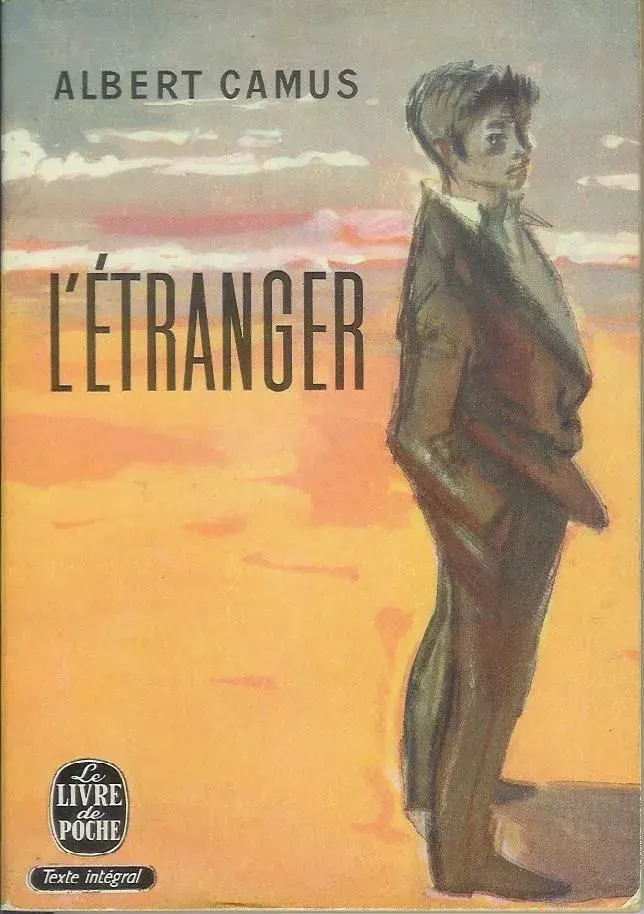
Embracing Absurdity: Reflections on Albert Camus' "The Stranger"
Camus' The Stranger and the absurd: Meursault's indifference, authenticity, alienation and what the novel teaches about finding meaning.
What "The Little Prince" Taught Me About Seeing With the Heart
What The Little Prince teaches about seeing with the heart: what is essential is invisible to the eye, taming and responsibility and keeping wonder.
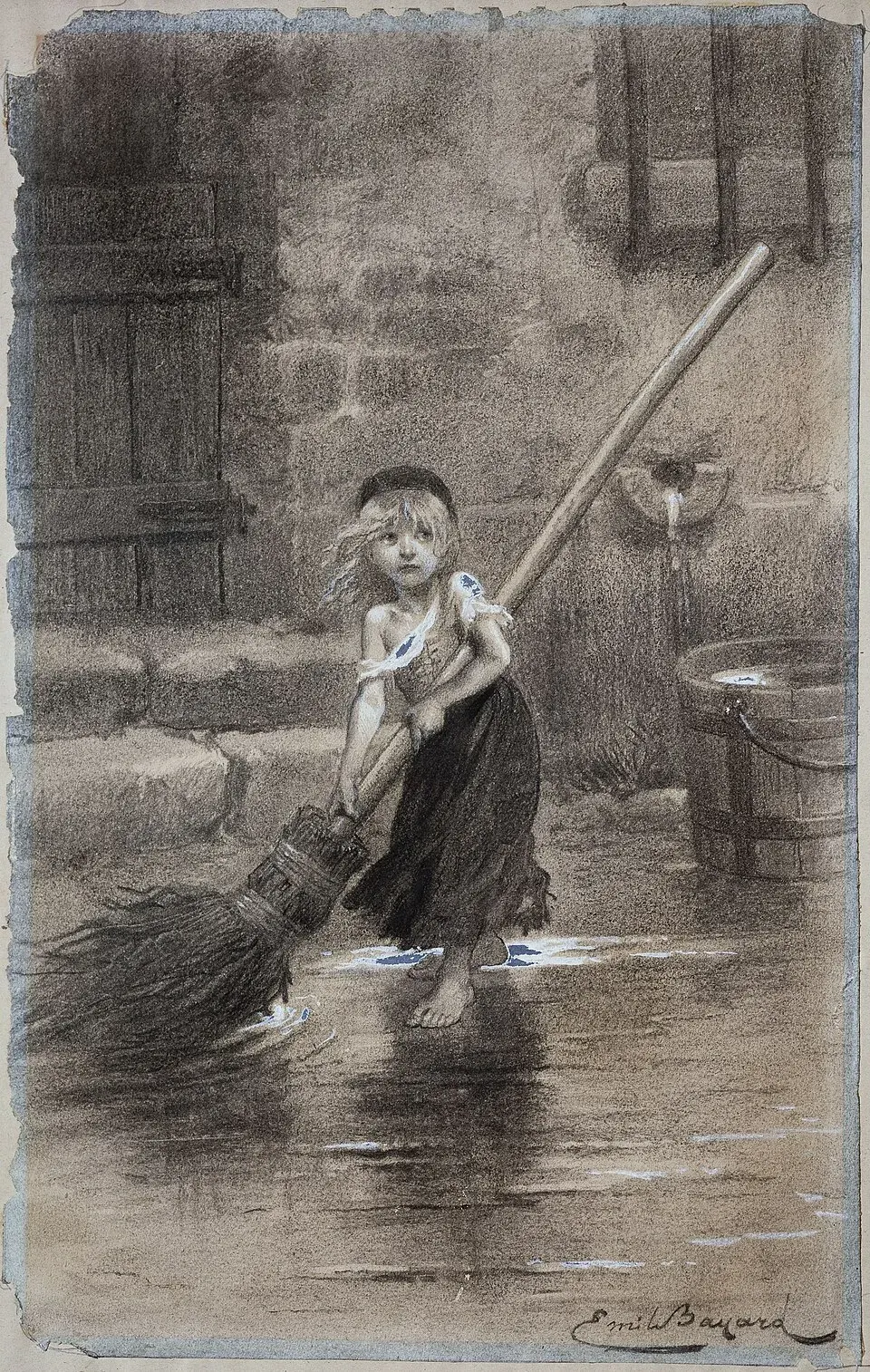
Grace and Justice: Redemption in Victor Hugo's "Les Misérables"
Victor Hugo's Les Misérables is one of the great sprawling epics of world literature, a novel of enormous scope and even greater heart.
Comments
No comments yet. Start the conversation.