Clean Code & Practical Software Craftsmanship
You type each line of code once, then you and your team read it for years. Here is why writing for the reader is the highest-leverage habit a developer can build.
TL;DR
Code is written once and read for years, so writing for the reader is the highest-leverage habit a developer can build. Clever code is expensive and clear code is cheap: good names, small focused functions, honest comments and consistent structure pay off as speed, not beauty.
On this page
There is a quiet imbalance at the heart of programming that almost nobody mentions in their first job. You write a line of code exactly once. After that, it gets read again and again: when a teammate reviews your pull request, when someone hunts a bug six months later, when a new hire tries to understand the system, when future you returns to add a feature and squints at your own work. By any honest accounting, code is read far more often than it is written.
Once you accept that, a lot of programming advice rearranges itself. The question stops being “how do I get this working as fast as possible?” and becomes “how do I leave this so the next person can change it safely?” Those are different goals, and they pull in different directions. The first rewards cleverness and speed. The second rewards clarity and restraint.
The reader is always under-informed
When you write code, you have the whole problem loaded in your head. You know why the discount only applies on Tuesdays, why that one customer needs a special case, why the retry count is three and not five. The reader has none of that. They arrive cold, often under pressure, often trying to fix something that is on fire.
Everything you do to lower their cost of understanding is leverage. A variable named remaining_attempts instead of n saves them a guess. A function named apply_member_discount instead of calc2 saves them a trip into the body. A constant named SECONDS_PER_DAY instead of a bare 86400 saves them a moment of doubt about whether you meant a day or something else. None of these are heroic. They are tiny acts of consideration that compound across every future reading.
Clever is expensive; clear is cheap
Early in a career it is tempting to compress code, to fit a whole transformation into one dense line, to reach for an obscure trick because it feels like mastery. But density is a cost transferred to the reader. The compiler does not care how short your code is. The next human does.
Compare these two. The first is compact and proud of itself:
def p(d):
    return [x for x in d if x[2] > 0 and x[4] == 1]
The second is longer and asks nothing of the reader:
def active_paying_customers(customers):
    return [c for c in customers if c.balance > 0 and c.is_active]
They do the same work. Only one of them tells you what it is for. The second version is not slower to run; it is only slower to type, and you type it once.
Writing for the reader is a set of habits
This mindset is not a single grand decision. It shows up in small, repeatable habits.
Keep functions short and focused on one thing, so each can be understood and named on its own. Choose names that reveal intent, so the code documents itself without comments that drift out of date. Write tests that describe the behavior you expect, because a test is also a message to the reader: this is what this code is supposed to do. Commit in small, well-described steps, so git log and git blame become a readable history rather than a wall of noise. And follow the Boy Scout rule: whenever you are already in a file, leave it a little cleaner than you found it.
There is a name for the slow decay that sets in when nobody does these things. It is technical debt, the widening gap between the code you have and the code that would make the next change easy. It accrues quietly, one rushed shortcut at a time, and it charges interest on every future edit until someone pays it down.
The payoff is speed, not beauty
It is easy to mistake clean code for a matter of taste, as if readability were decoration. It is not. The reason to write for the reader is ruthlessly practical: most of the money and time in software goes into changing code that already exists, and you can only change code quickly when you can understand it quickly.
Teams that write for the reader move faster over the long run, not because they are more talented, but because they spend less of every day decoding their own past decisions. They onboard new people in days instead of weeks. They fix bugs in one place instead of three. They say yes to changes that a tangled codebase would have made too risky to attempt.
So the next time you finish a line and it works, pause for one extra second and ask the only question that matters in the long run: will the next person who reads this understand it? You are writing for them. You almost always are.
Key takeaways 5
- Code is read far more often than it is written.
- The reader of your code is always missing context you had.
- Clever code is expensive; clear code is cheap.
- Good names, small functions and consistent structure are the core habits.
- The payoff of clean code is delivery speed, not aesthetics.
Watch & learn

Frequently asked questions
What is clean code?
Clean code is code that is easy for other developers to read, understand and change, with clear names, small focused functions, consistent structure and no unnecessary complexity.
Why does clean code matter?
Because most development time is spent reading and modifying existing code. Clear code reduces bugs, speeds up reviews and makes onboarding and new features faster.
Should code have comments?
Comments should explain why something is done, constraints or non-obvious decisions. The code itself, through good naming and structure, should explain what it does.
Go deeper with the free masterclass
Workshop, PDF handbook and curated resources for “Clean Code & Practical Software Craftsmanship”.
Related articles
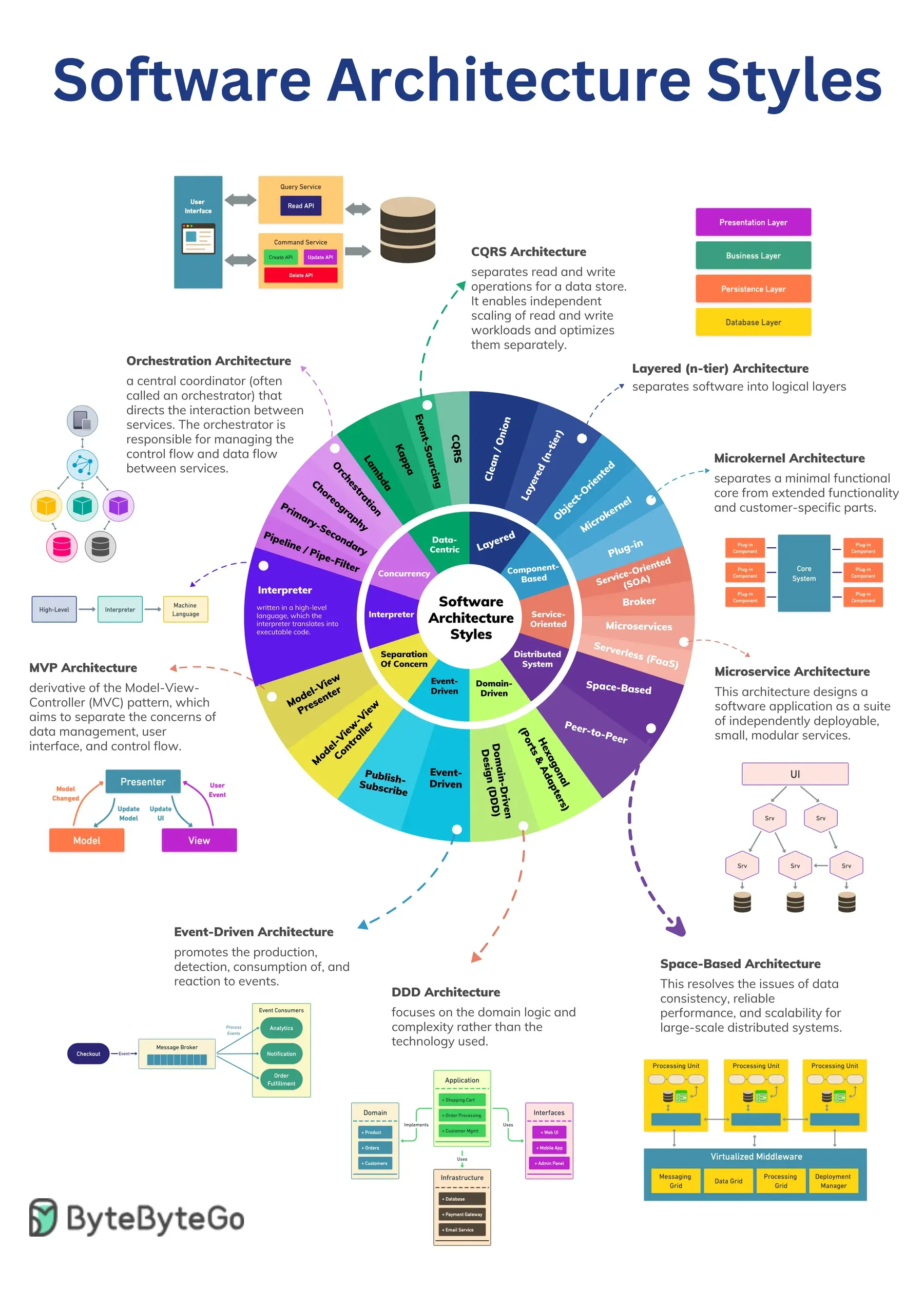
Software Design Patterns
Design patterns are a shared vocabulary and a set of proven moves - not a checklist of "good code." Here is how to use them like a senior engineer.
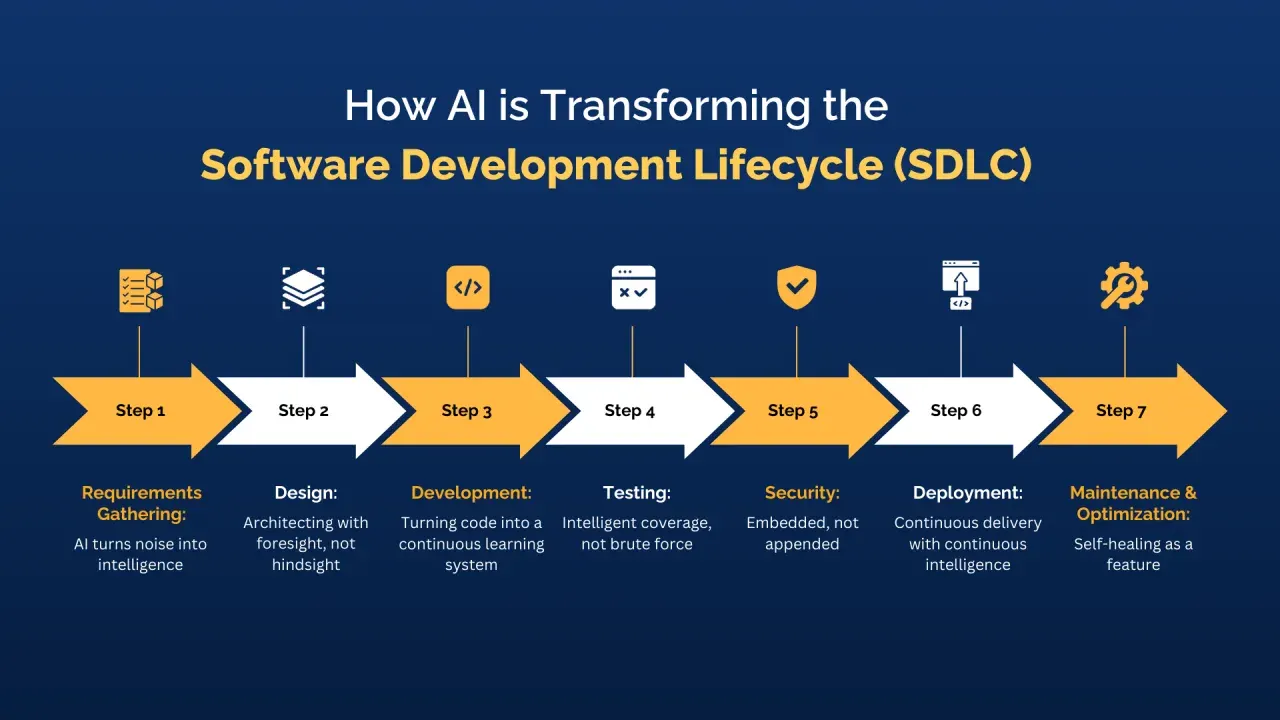
AI-Assisted Software Development
AI can draft code faster than you can read it. That is exactly the problem - and the skill that now separates good engineers from dangerous ones.
How to Become a Truly "Unremarkable" Developer: The Insider's Guide
Having spent years working with developers, I’ve gathered some priceless "tips" to help you master the art of being an outstandingly bad developer.
Comments
No comments yet. Start the conversation.